Part 1: Understanding Metal Sheets – The Foundation of Sheet Metal Processing
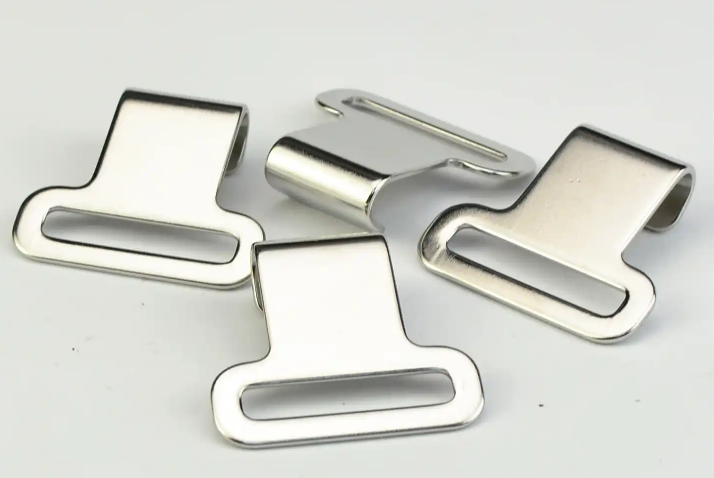
Metal sheets are the primary raw material for sheet metal processing, defined as metal plates with a thickness ranging from 0.1mm to 6mm (the thickness may vary slightly by industry standards). Their unique physical and chemical properties determine the processing methods and application scenarios. Below are the key characteristics and common types of metal sheets.
1.1 Core Characteristics of Metal Sheets
The performance of metal sheets directly affects the quality and service life of the final product. The main evaluation indicators include:
• Ductility: The ability to deform under external force without breaking, which is crucial for bending, stretching, and other forming processes. Sheets with good ductility can withstand complex shape changes.
• Strength: The ability to resist deformation and fracture, including tensile strength, yield strength, and hardness. High-strength sheets are suitable for load-bearing components, while low-strength sheets are easier to process.
• Corrosion Resistance: The ability to resist oxidation and chemical corrosion. This characteristic determines whether the sheet can be used in harsh environments (such as humid or corrosive conditions).
• Weldability: The ease of forming a strong joint with other metal parts through welding. Good weldability is essential for assembling sheet metal components.
1.2 Common Types of Metal Sheets
Different metal sheets have distinct properties, making them suitable for different applications. The most widely used types in sheet metal processing are:
• Carbon Steel Sheets: Composed mainly of iron and carbon, they are cost-effective and have good strength and weldability. Low-carbon steel sheets (e.g., Q235) are often used for general structural parts, such as brackets and cabinets, due to their excellent ductility. High-carbon steel sheets, with higher hardness, are suitable for parts requiring wear resistance.
• Stainless Steel Sheets: Added with chromium, nickel, and other alloying elements, stainless steel sheets have outstanding corrosion resistance and aesthetics. The most common grades are 304 and 316. 304 stainless steel is widely used in kitchenware, medical equipment, and decorative parts, while 316 stainless steel, with better corrosion resistance, is suitable for marine and chemical equipment.
• Aluminum Sheets: Lightweight, with a density only about 1/3 of steel, aluminum sheets have good ductility, corrosion resistance, and electrical conductivity. They are widely used in automotive parts, aerospace components, and electronic product casings. Common alloys include 5052 (excellent formability) and 6061 (high strength after heat treatment).
• Copper Sheets: With excellent electrical and thermal conductivity, copper sheets are mainly used in electrical components, heat exchangers, and decorative parts. However, their high cost limits their large-scale application in general structural parts.
• Galvanized Sheets: Carbon steel sheets coated with a layer of zinc, which significantly improves corrosion resistance. They are commonly used in automotive bodies, roofing materials, and storage tanks, as the zinc layer acts as a barrier to protect the underlying steel from rust.
Part 2: Common Sheet Metal Processing Processes
Sheet metal processing involves a series of techniques to transform flat metal sheets into three-dimensional parts. The process flow usually includes cutting, forming, joining, and surface treatment. Below are the most common processes in sheet metal processing.
2.1 Cutting: Shaping the Raw Material
Cutting is the first step in sheet metal processing, aiming to cut the metal sheet into the required size and shape from the original plate. Common cutting methods include:
• Shearing: Using a shearing machine to cut the sheet along a straight line. This method is efficient and suitable for mass production of simple straight-edge parts, such as rectangular plates. However, it can only cut straight lines and cannot handle complex shapes.
• Punching: Using a punch press and a die to punch holes, slots, or irregular shapes in the sheet. Punching is fast and accurate, suitable for mass production of parts with regular holes or notches. The die determines the shape of the punched part, so it requires customized dies for different products.
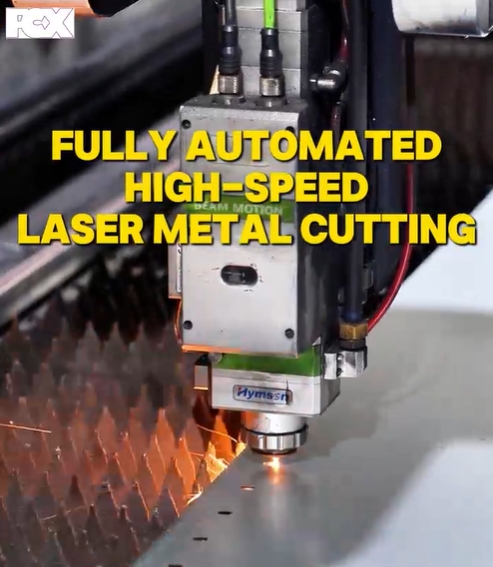
• Lasercutting: Using a high-energy laser beam to melt or vaporize the metal sheet, achieving precise cutting of complex shapes. Lasercutting has the advantages of high precision, narrow kerf (cutting width), and no tool wear. It can cut various metals, including stainless steel, aluminum, and copper, and is widely used in high-precision and complex part processing, such as aerospace components and electronic product casings.
• Plasma Cutting: Using a plasma arc to melt the metal and blow away the molten material with high-speed gas. Plasma cutting is suitable for cutting thick metal sheets (above 6mm) and has a higher cutting speed than lasercutting for thick materials. However, its precision is lower than lasercutting, making it more suitable for rough processing of structural parts.
2.2 Forming: Creating Three-Dimensional Shapes
Forming is the process of bending, stretching, or rolling the cut sheet into a three-dimensional shape without changing the material volume. The key is to utilize the ductility of the metal sheet.
• Bending: Using a bending machine to bend the sheet along a specific axis to form angles (such as 90 degrees) or curved shapes. The bending angle and radius are controlled by the bending die and machine parameters. Common bent parts include brackets, boxes, and channels. It is important to avoid excessive bending, which may cause the sheet to crack.
• Stretching: Using a stamping die to stretch the flat sheet into a hollow part, such as a bowl, cylinder, or automotive fender. Stretching requires uniform force application to prevent wrinkling or thinning of the sheet. The ductility of the sheet is crucial here—sheets with poor ductility are prone to tearing during stretching.
• Rolling: Using a rolling machine to bend the sheet into a cylindrical, conical, or curved shape. This method is suitable for large-scale parts, such as pipes, barrels, and curved roofing materials. The rolling process can be divided into cold rolling and hot rolling; cold rolling is suitable for thin sheets, while hot rolling is used for thick sheets.
2.3 Joining: Assembling Components
After cutting and forming, individual sheet metal parts need to be joined together to form a complete product. Common joining methods include:
• Welding: Using heat or pressure to fuse two or more metal parts into one. Common welding methods in sheet metal processing include arc welding, spot welding, and laser welding. Spot welding is widely used in automotive manufacturing to join thin sheets, while laser welding offers high precision and strength, suitable for high-end products.
• Riveting: Using rivets to fasten two parts together. Riveting is simple and reliable, suitable for parts that cannot be welded (such as dissimilar metals) or require disassembly. Blind rivets are commonly used in sheet metal processing, as they can be installed from one side of the part.
• Bolting: Using bolts and nuts to connect parts. This method allows for easy disassembly and maintenance, suitable for large structural parts or parts that need to be disassembled regularly. However, it may affect the aesthetics and require additional holes in the sheet.
• Adhesive Bonding: Using industrial adhesives to bond parts together. Adhesive bonding is suitable for thin sheets, dissimilar metals, or parts that cannot withstand high temperatures from welding. It provides a smooth surface and uniform stress distribution but requires proper surface treatment to ensure bonding strength.
2.4 Surface Treatment: Enhancing Performance and Aesthetics
Surface treatment is the final step in sheet metal processing, aiming to improve corrosion resistance, wear resistance, and aesthetics of the parts. Common surface treatment methods include:
• Powder Coating: Spraying a layer of powder coating on the surface and curing it at high temperature. Powder coating has excellent corrosion resistance and a wide range of color options, suitable for cabinets, brackets, and decorative parts.
• Anodizing: Mainly used for aluminum sheets, anodizing forms a dense oxide film on the surface, improving corrosion resistance and hardness. The oxide film can also be dyed into various colors, making it suitable for electronic product casings and decorative parts.
• Electroplating: Coating a layer of metal (such as chrome, nickel, or zinc) on the surface through electrolysis. Electroplating enhances corrosion resistance and aesthetics, commonly used in hardware parts and electrical components.
• Polishing: Using abrasive materials to smooth the surface of the sheet, improving gloss and aesthetics. Polishing is often used for stainless steel parts and decorative components.
Part 3: Summary and Application Prospects
Metal sheets are the cornerstone of sheet metal processing, and choosing the right sheet material based on application requirements is the first step to ensuring product quality. Common processing processes, including cutting, forming, joining, and surface treatment, each have their own characteristics and application scenarios. With the development of technology, new processing methods (such as 3D laser cutting and intelligent bending) are constantly emerging, improving the precision, efficiency, and flexibility of sheet metal processing.
Sheet metal processing plays an irreplaceable role in modern manufacturing. From daily necessities to high-tech products, sheet metal parts are everywhere. Understanding the basic knowledge of metal sheets and common processes is not only essential for practitioners in the field but also helpful for anyone interested in manufacturing to gain insight into the behind-the-scenes of industrial production. In the next lessons, we will dive deeper into the details of each process and explore more advanced sheet metal processing technologies.