1. Intelligent Automation Integrated with AI: Redefining Production Efficiency and Precision
Intelligent automation, empowered by artificial intelligence (AI), will emerge as the primary driver of efficiency gains in 2026, transcending traditional automated production models. The integration of AI with core processes such as cutting, bending, and welding is set to eliminate human errors and optimize production workflows comprehensively.
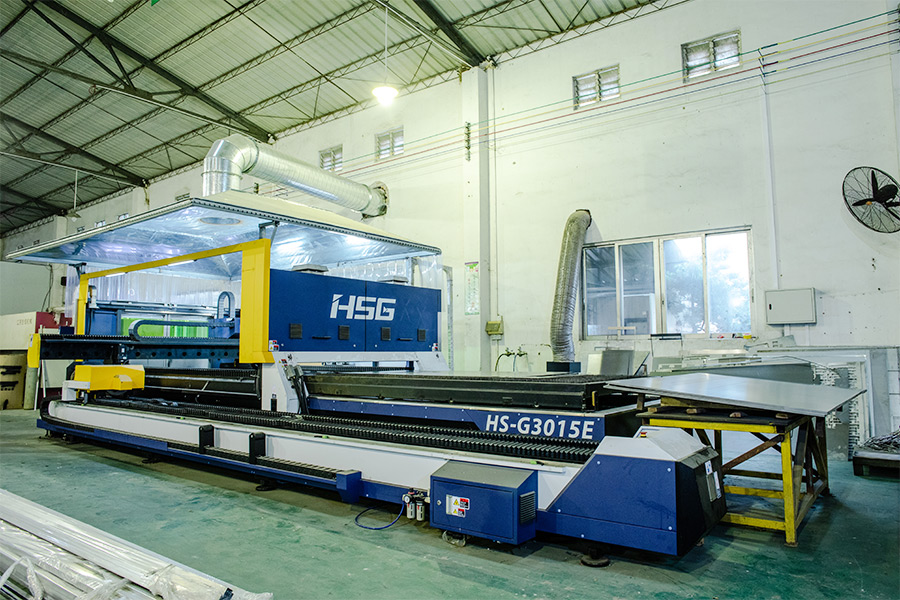
In cutting and bending operations, AI-powered CNC systems will enable adaptive processing by real-time analyzing data from sensors embedded in equipment. For instance, smart press brakes equipped with AI controllers can automatically adjust bending angles and pressure based on material properties and environmental factors, ensuring precision within ±0.1mm and eliminating the need for manual recalibration. High-power fiber laser cutting machines, integrated with AI algorithms, will optimize nesting paths and cutting parameters dynamically, boosting material utilization from the current average of 75% to over 90% and reducing scrap rates by 8% or more for hard-to-process materials like high-manganese steel.
AI-driven quality control will also become mainstream. Vision sensors and machine learning models will replace manual inspection, detecting defects such as burrs and surface scratches in real time during production. This shift not only enhances defect detection accuracy but also enables predictive maintenance—AI systems can forecast equipment failures by analyzing operational data, minimizing unplanned downtime. Additionally, affordable collaborative robots (cobots) will be widely adopted by small and medium-sized enterprises (SMEs), automating repetitive tasks like loading, unloading, and welding while ensuring worker safety. These advancements are expected to shorten production cycles by 30% and reduce labor costs significantly, with early adopters already reporting ROI within 12-36 months.
2. Green Manufacturing and Advanced Materials: Balancing Sustainability and Performance
Against the backdrop of global "dual carbon" goals and increasingly stringent environmental regulations, green transformation will become a mandatory requirement for sheet metal enterprises in 2026. Environmental policies targeting VOCs emissions and energy consumption will drive the adoption of eco-friendly technologies and materials, reshaping the industry's competitive landscape.
In terms of process optimization, energy-efficient equipment and clean technologies will gain widespread traction. Electric-hydraulic hybrid press brakes can reduce energy consumption by up to 30% compared to traditional hydraulic models, while air cutting technology and multi-stage dust removal systems will minimize environmental impact—cutting energy consumption by 30%-40% and eliminating dust pollution. Energy digital management systems will also be popularized, enabling enterprises to monitor and optimize energy usage in real time, with comprehensive energy efficiency improvements of 10%-15% reported by adopters.
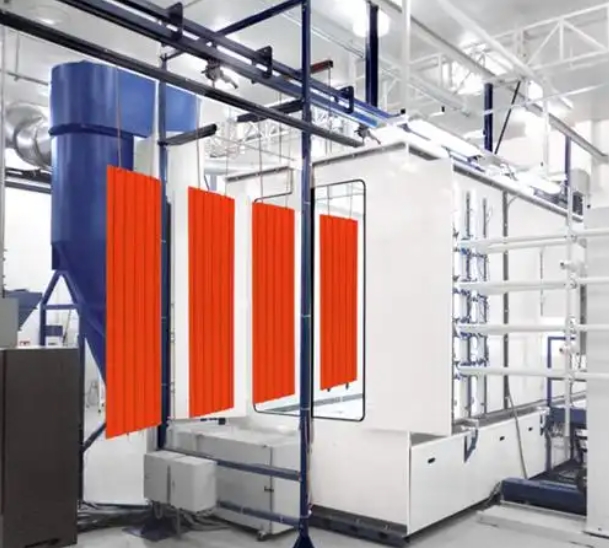
The application of advanced materials will further accelerate to meet demands for lightweight, high-strength, and corrosion-resistant components. Aluminum-lithium alloys, high-strength steel, and other new materials will be increasingly used in automotive, aerospace, and energy storage sectors, driven by the explosive growth of new energy vehicles (NEVs) and decentralized energy systems. To process these materials, innovative technologies such as friction stir welding for aluminum alloys and hot forming for high-strength steel will be refined and commercialized. Simultaneously, circular economy practices—such as recycling scrap metal and using water-based paints and powder coatings instead of traditional solvents—will become industry norms, aligning sheet metal fabrication with global green supply chain standards.
3. Full-Process Digital Integration: Building Transparent and Agile Production Systems
2026 will see the deep integration of digital technologies across the entire sheet metal production lifecycle, from design and planning to delivery and maintenance, creating fully connected smart factories. This integration will break down information silos and enable agile responses to market changes.
At the design stage, advanced CAD software (such as Zhongwang 3D 2026) will introduce innovative features like one-click conversion of solid parts to sheet metal components and parametric vent design, reducing repetitive operations and shortening design cycles. These digital designs will seamlessly connect to CAM systems, generating machining programs automatically and eliminating manual programming errors. Downstream, integration with ERP (Enterprise Resource Planning) and MES (Manufacturing Execution Systems) will enable real-time monitoring of production progress, material flow, and equipment status, achieving transparent and traceable production management.
Cloud connectivity and the Industrial Internet of Things (IIoT) will further enhance production agility. IoT-integrated CNC dashboards will allow remote monitoring of equipment operations, enabling managers to make data-driven decisions anytime, anywhere. For small-batch and customized production—an increasingly dominant market trend—modular design, rapid programming, and flexible manufacturing systems will shorten setup times from 40 minutes to less than 8 minutes, making personalized production economically viable. This digital transformation will not only improve production efficiency by 40% or more but also strengthen supply chain collaboration, as sheet metal enterprises can deeply participate in customers' early design stages (EVI) to optimize processes and reduce costs.
Conclusion
2026 will mark a critical turning point for the sheet metal fabrication industry, with intelligent automation, green manufacturing, and full-process digitalization leading the way. These breakthroughs will not only address industry pain points such as low efficiency, high waste, and strict environmental constraints but also drive the sector from "scale-driven growth" to "technology and compliance-driven growth." Enterprises that embrace these trends will gain a competitive edge in the global market, contributing to the overall upgrading of the manufacturing industry. As technology continues to evolve, sheet metal fabrication will become more efficient, precise, and sustainable, solidifying its role as a backbone of modern manufacturing.