I. Appearance Quality: Distinguish Quality at First Glance
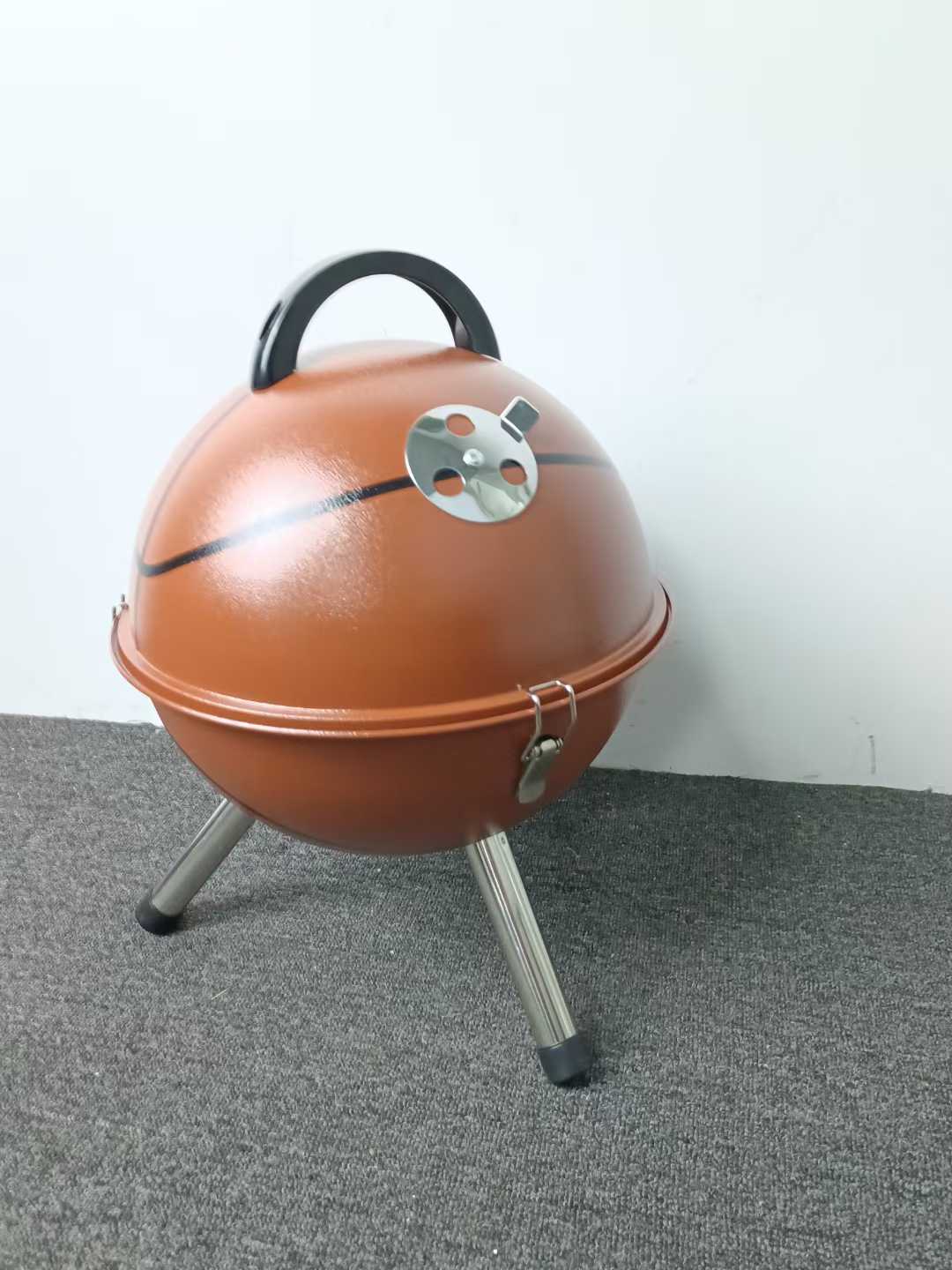
The appearance of sheet metal parts not only affects the visual presentation of products but also reflects the refinement of processing technology, making it the most intuitive judgment basis during inspection. High-quality sheet metal parts must meet three appearance requirements: "no defects, no flaws, and strong consistency."
Firstly, flat and non-deformable surface is the basic standard. During inspection, observe whether the surface has unevenness, warpage, distortion, or other deformation. Flat parts can be tested by fitting the reference surface, and the allowable flatness error shall be determined according to product specifications, generally controlled within 0.3-1mm/m. For bent parts, check if there are wrinkles or indentations at the bending points, whether the folded edges are straight, and if there is no obvious wavy deformation.
Secondly, welds and connection parts must be defect-free. For welded sheet metal parts, the welds should be uniform and full, without pores, slag inclusions, cracks, incomplete penetration, or other issues. Weld slag must be cleaned thoroughly, and the height and length of the welds must comply with the requirements of the design drawings. Bolted, riveted, and other connection parts should be firm without looseness, with fasteners arranged neatly and no missing or incorrect installation. Threaded connections must be equipped with reasonable anti-loosening measures (such as spring washers, lock nuts, etc.).
Finally, surface treatment must meet standards. According to different usage scenarios, sheet metal parts often adopt surface treatment processes such as spraying, electroplating, phosphating, and wire drawing. During inspection, check if the surface coating is uniform and consistent, without sagging, bubbles, peeling, color difference, or other problems. Electroplated parts should be free of oxidation spots, exposed substrate, or burning marks. Wire-drawn parts should have clear and continuous textures without messy scratches. Meanwhile, the thickness of the surface treatment must meet technical requirements: the general spraying thickness is 60-120μm, and the electroplating layer thickness is not less than 5μm.
II. Dimensional Accuracy: Millimeter-Level Strict Control
The dimensional accuracy of sheet metal parts directly affects assembly compatibility and is one of the core indicators of inspection, requiring precise testing with professional measuring tools.
(1) Basic Dimension Inspection
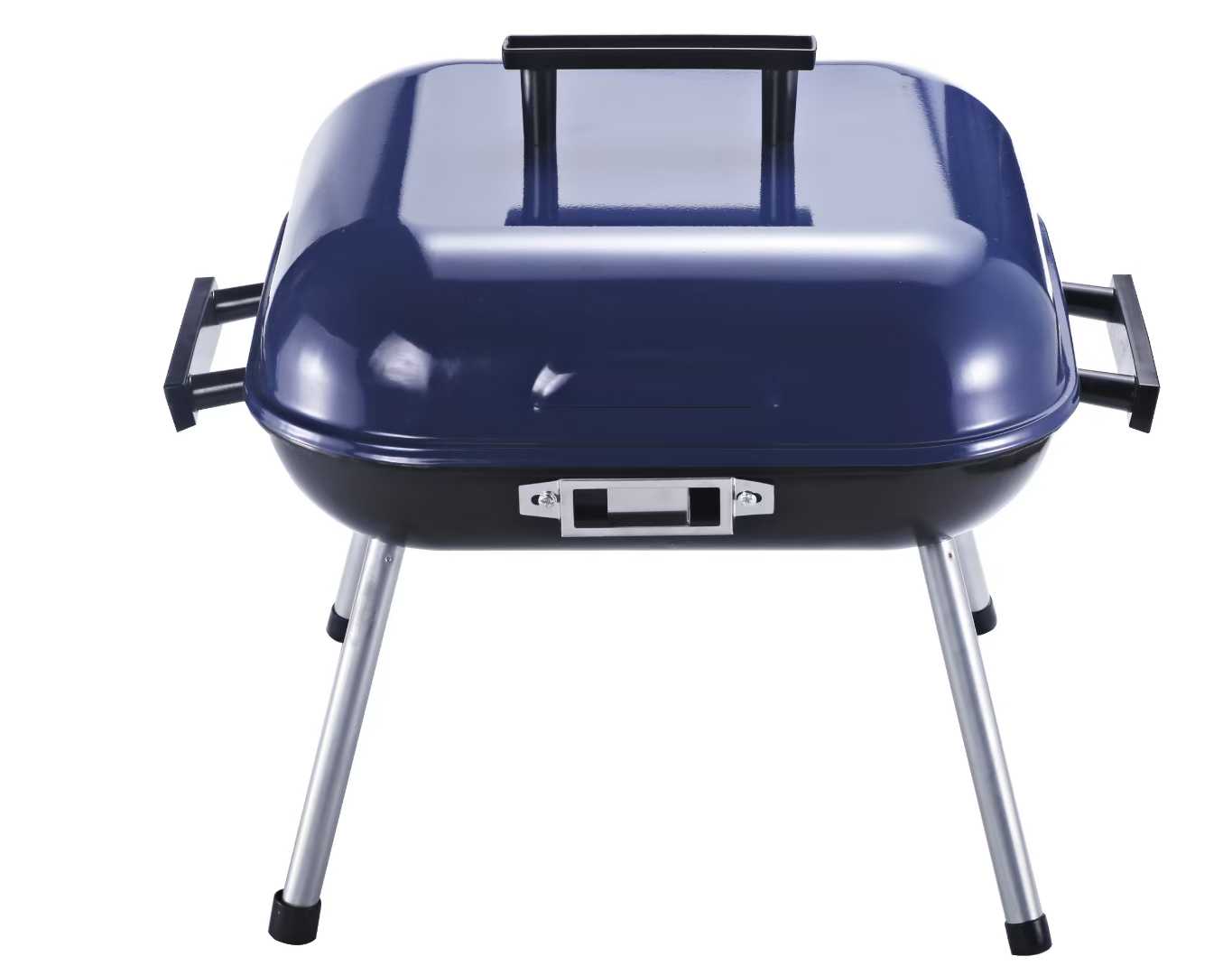
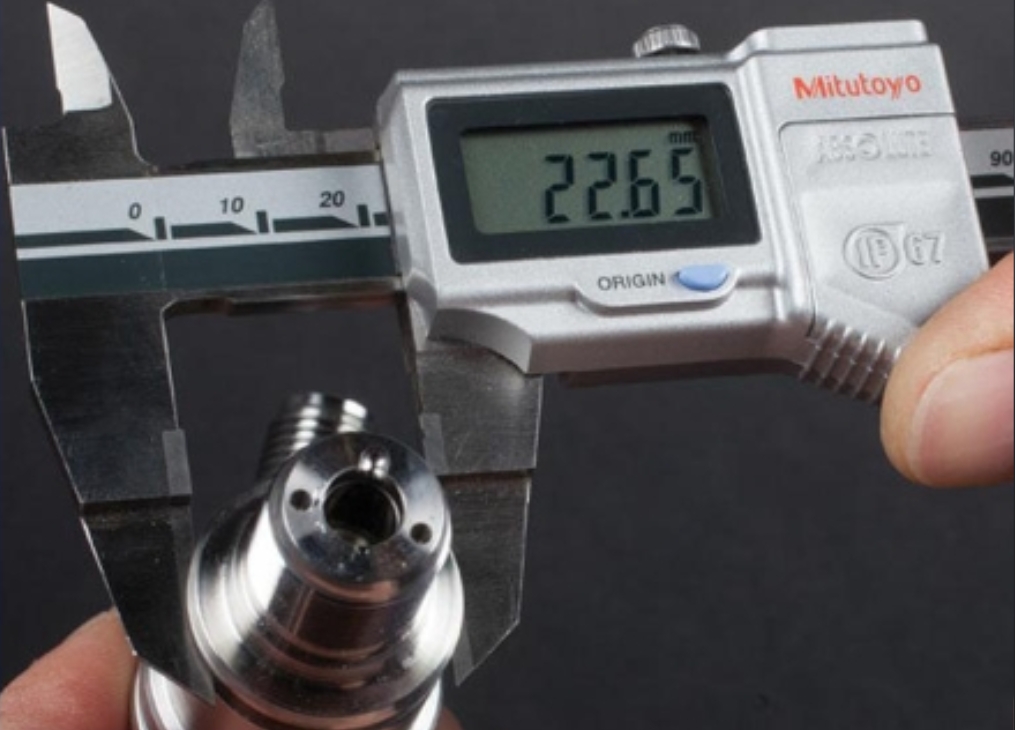
Focus on verifying key dimensions such as length, width, and height, and the error must be within the design allowable range. Generally speaking, the dimensional tolerance of ordinary sheet metal parts is ±0.5mm, while high-precision sheet metal parts (such as electronic equipment casings) require a tolerance of ±0.1-±0.3mm. During inspection, use steel tape measures, calipers, micrometers, and other tools. For large sheet metal parts, laser range finders can be used to ensure measurement accuracy.
(2) Geometric Tolerance Inspection
Geometric tolerances include straightness, perpendicularity, parallelism, coaxiality, etc., which are important indicators for measuring the geometric accuracy of sheet metal parts. For example, the bending angle error of bent parts should be ≤±1°, and the perpendicularity error ≤0.2mm/m. The hole spacing error ≤±0.3mm, and the hole diameter tolerance is controlled within the H7-H11 range according to assembly requirements. Inspection can be carried out with the help of squares, dial indicators, projectors, and other tools. For complex parts, coordinate measuring machines (CMM) can be used for comprehensive inspection.
(3) Bending and Forming Quality
The fillet radius at the bending point must comply with design requirements, generally 1-1.5 times the sheet thickness, without cracking, excessive indentation, or other problems. Roll-formed sheet metal parts should have a uniform arc without obvious inflection points, and the arc error ≤±0.5mm/m. For complex formed parts, compare with templates or 3D models to ensure the forming effect is consistent with the design.
III. Performance Requirements: Durability Guarantee Adapting to Usage Scenarios
The performance of sheet metal parts must be inspected according to the usage environment and functional requirements, with core indicators including strength, corrosion resistance, and electrical conductivity.
(1) Strength Inspection
For load-bearing and force-bearing sheet metal parts (such as mechanical brackets, equipment bases), strength testing is required to ensure they can withstand the designed load without deformation or fracture. Static pressure tests, impact tests, and other methods can be used for detection. For example, load-bearing sheet metal parts should be able to withstand 2-3 times the rated load for 30 minutes without obvious deformation. Meanwhile, the strength of welded parts should be consistent with the base material, without welding defects such as incomplete welding or weld beads that affect strength.
(2) Corrosion Resistance Inspection
Sheet metal parts used in humid, acid-base, and other special environments must have good corrosion resistance. During inspection, salt spray tests can be conducted: place the sheet metal parts in a salt spray test chamber, spray continuously for 48 hours in an environment of 5% sodium chloride solution and 35℃, and the surface should have no obvious rust, blistering, coating peeling, or other phenomena. For sheet metal parts without surface treatment, check if the material meets anti-rust requirements (such as stainless steel, galvanized sheet, etc.).
(3) Special Performance Inspection
According to functional requirements, some sheet metal parts need special performance testing: conductive sheet metal parts (such as electrical casings, grounding parts) require conductivity testing with a contact resistance ≤0.1Ω; fire-resistant sheet metal parts need to pass flame retardancy tests to reach the V0 flame retardant standard; sealed sheet metal parts (such as equipment protective covers) require tightness testing to ensure no air or water leakage.

IV. Assembly Compatibility: Seamless Connection with Associated Components
Sheet metal parts ultimately need to be assembled with other components, so assembly compatibility is the "final test" of inspection, which must be verified through actual assembly testing.
Firstly, uniform assembly clearance. The fitting clearance between sheet metal parts and associated components must comply with design requirements, generally 0.1-0.3mm, without excessive tightness or looseness. For example, the cooperation between equipment casings and internal components should be smooth without jamming or interference, easy to disassemble, and stable in repeated assembly accuracy.
Secondly, reliable positioning and connection. Positioning structures such as positioning holes and pins should be precise to ensure quick positioning during assembly, with a repeat positioning error ≤±0.1mm. Connection parts (such as bolt holes, buckles) should match the size of connectors, without thread slipping, buckle breakage, or other problems. After assembly, the connection should be firm without loosening risks.
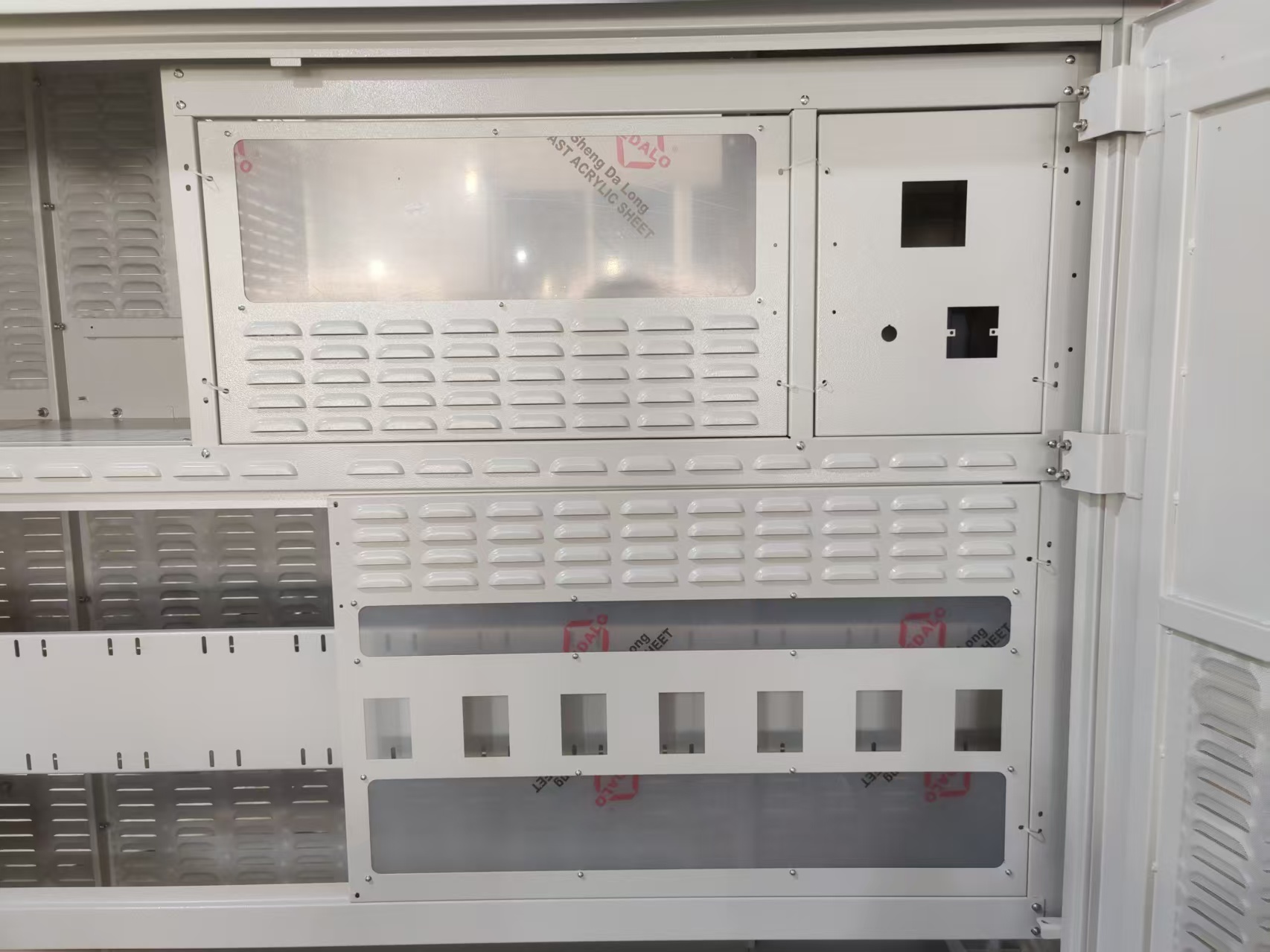
Finally, functional integrity. For sheet metal parts with special functions (such as heat dissipation holes, observation windows, wiring holes), check if the functional structures are complete and effective. For example, the aperture and number of heat dissipation holes must meet heat dissipation requirements without blockage; observation windows should have good transparency without scratches or cracks; the position and size of wiring holes should be compatible with cable specifications, with no burrs on the edges to avoid scratching cables.
V. Inspection Process and Precautions
(1) Inspection Process
1. Data Verification: First, confirm that design drawings, technical agreements, material certificates, test reports, and other documents are complete, and clarify the inspection standards;
2. Sampling Inspection: For mass-produced sheet metal parts, sampling inspection is adopted, with a sampling ratio of generally 3%-5%. Key products require 100% full inspection;
3. Itemized Inspection: Conduct itemized inspection in the order of appearance, dimensions, performance, and assembly, keep records, and mark and trace unqualified items;
4. Comprehensive Judgment: Based on the inspection results, make a comprehensive judgment against design requirements and industry standards. Qualified products can be warehoused or put into use, while unqualified products require rework or return.
(2) Precautions
1. Measuring Environment: Conduct measurements in a normal temperature (20±5℃) and dry environment as much as possible to avoid the impact of temperature and humidity on measurement accuracy;
2. Tool Calibration: Measuring tools must be calibrated regularly to ensure the accuracy and reliability of measurement data;
3. Special Requirements: For sheet metal parts with special requirements (such as medical equipment, aerospace components), inspect according to industry-specific standards, and entrust third-party testing institutions if necessary;
4. Record Retention: Keep detailed records during the inspection process, including test data and handling results of unqualified items, to establish a quality traceability system.
Conclusion
The "golden standards" for sheet metal part inspection essentially involve comprehensive control of "defect-free appearance, precise dimensions, qualified performance, and suitable assembly." During inspection, it is necessary to rely on professional tools and scientific methods, as well as make flexible judgments combined with usage scenarios and design requirements. Only by strictly implementing inspection standards can we ensure that the quality of sheet metal parts meets requirements, laying a solid foundation for the stability and reliability of end products. Whether it is the purchaser or the manufacturer, mastering these inspection points can take the initiative in quality control and avoid cost waste and construction period delays caused by unqualified products.