1. An Overview of Common Surface Treatment Processes for Sheet Metal
Before delving into identification methods, it is essential to understand the basic principles of the most widely used surface treatment processes for sheet metal. These processes can be broadly categorized into four types: mechanical finishing, chemical conversion coating, electroplating, and organic coating. Each process forms a distinct surface layer with unique properties, which are the basis for identification.
2. Detailed Identification of Common Surface Treatment Processes
2.1 Mechanical Finishing: Grinding, Polishing, and Sandblasting
Mechanical finishing processes use physical methods to modify the surface of sheet metal, primarily to improve flatness, smoothness, or create a matte texture. The most common types are grinding, polishing, and sandblasting.
Grinding: Identification features include visible linear or spiral scratches on the surface. These scratches are usually uniform in direction, resulting from the abrasive tool (such as a grinding wheel) moving across the metal surface. The surface is relatively smooth but not as glossy as a polished surface. Tactilely, it may feel slightly rough if the grinding grit is coarse, or moderately smooth with fine grit. Grinding is often used on parts that require high dimensional accuracy, such as machine tool components and automotive engine parts.
Polishing: Polished surfaces are characterized by a high-gloss finish, often mirror-like, with minimal or no visible scratches. The surface reflects light uniformly, creating a bright and smooth appearance. When touched, it feels extremely smooth without any roughness. Polishing is typically used for decorative parts, such as stainless steel kitchenware, automotive trim, and electronic device casings. A simple test: hold the part at an angle to a light source; a polished surface will produce a clear, sharp reflection, while other processes will not.
Sandblasting: Sandblasted surfaces have a uniform matte texture, with no directional scratches. The surface appears dull and non-reflective, and when touched, it feels slightly granular or sandy. The texture is consistent across the entire treated area. Sandblasting is commonly used to prepare surfaces for subsequent coating (to improve adhesion) or to create a non-slip surface, such as on industrial equipment panels and aerospace components. Unlike grinding, sandblasting does not produce linear marks, which is a key distinguishing feature.
2.2 Chemical Conversion Coating: Phosphating and Chromating
Chemical conversion coating involves immersing the sheet metal in a chemical solution to form a thin, adherent inorganic film on the surface. This film provides basic corrosion resistance and improves the adhesion of subsequent organic coatings. The two main types are phosphating and chromating.
Phosphating: Phosphated surfaces have a characteristic gray, black, or dark blue appearance (depending on the type of phosphate solution and metal substrate). The surface is usually matte or semi-matte, with a fine, powdery texture when touched lightly. A key identification method is the "water drop test": spray a small amount of water on the surface; if the water forms small, round droplets that do not spread easily, it indicates a phosphated surface (due to the hydrophobic nature of the phosphate film). Phosphating is widely used in automotive bodies, hardware tools, and electrical enclosures as a pre-treatment before painting.
Chromating: Chromated surfaces are typically yellow, green, or blue-green, with a thin, transparent or translucent film. The surface is relatively smooth, and the color is often more vivid than that of phosphating. Unlike phosphating, chromating films are thinner and more decorative. A notable feature is that chromated surfaces may show a slight iridescence under light. Chromating is commonly used for aluminum and zinc parts, such as aluminum alloy windows, zinc-plated fasteners, and electronic connectors. However, due to environmental concerns, hexavalent chromium chromating is being phased out, and trivalent chromium chromating (with a more muted color) is becoming more prevalent.
2.3 Electroplating: Zinc Plating, Chrome Plating, and Nickel Plating
Electroplating uses an electric current to deposit a thin layer of metal onto the sheet metal surface, providing excellent corrosion resistance and decorative properties. Common electroplating processes include zinc plating, chrome plating, and nickel plating.
Zinc Plating: Zinc-plated surfaces are usually silver-white, with a matte or bright finish (depending on the post-treatment). Bright zinc plating has a shiny appearance, similar to chrome plating but slightly less reflective, while matte zinc plating is duller. A key identification feature is the presence of a "passivation film": after zinc plating, parts are often passivated to enhance corrosion resistance, which may give the surface a slight yellow or blue tint. Zinc plating is widely used for fasteners, automotive parts, and electrical components due to its low cost and good corrosion resistance. A simple test: use a magnet; zinc is non-magnetic, so if the part is magnetic (e.g., steel substrate), the silver-white layer is likely zinc plating (as opposed to stainless steel, which is non-magnetic).
Chrome Plating: Chrome-plated surfaces have a bright, mirror-like finish, with high reflectivity and a smooth, hard texture. The surface is often more glossy than polished metal, and it has excellent wear resistance. Unlike polishing, chrome plating forms a hard, protective layer that is not easily scratched. Chrome plating is commonly used for decorative and wear-resistant parts, such as automotive bumpers, motorcycle parts, and bathroom fixtures. A distinguishing feature: chrome-plated surfaces have a distinct "blue tint" at the edges when viewed at an angle, which is not present in polished or zinc-plated surfaces.
Nickel Plating: Nickel-plated surfaces are silver-white with a soft, warm luster, different from the cool shine of chrome plating. The surface is smooth and has good corrosion resistance and ductility. Nickel plating is often used as an undercoat for chrome plating (to improve adhesion) or as a standalone finish for parts requiring a decorative, corrosion-resistant surface, such as electronic components, medical devices, and kitchen utensils. Identification tip: nickel-plated surfaces are non-magnetic, so if a silver-white part is non-magnetic and has a warm luster, it is likely nickel-plated (as opposed to zinc-plated, which is on a magnetic substrate in most cases).
2.4 Organic Coating: Powder Coating and Liquid Painting
Organic coating involves applying a layer of organic material (such as plastic, resin, or paint) to the sheet metal surface, providing excellent corrosion resistance and a wide range of color options. The two most common types are powder coating and liquid painting.
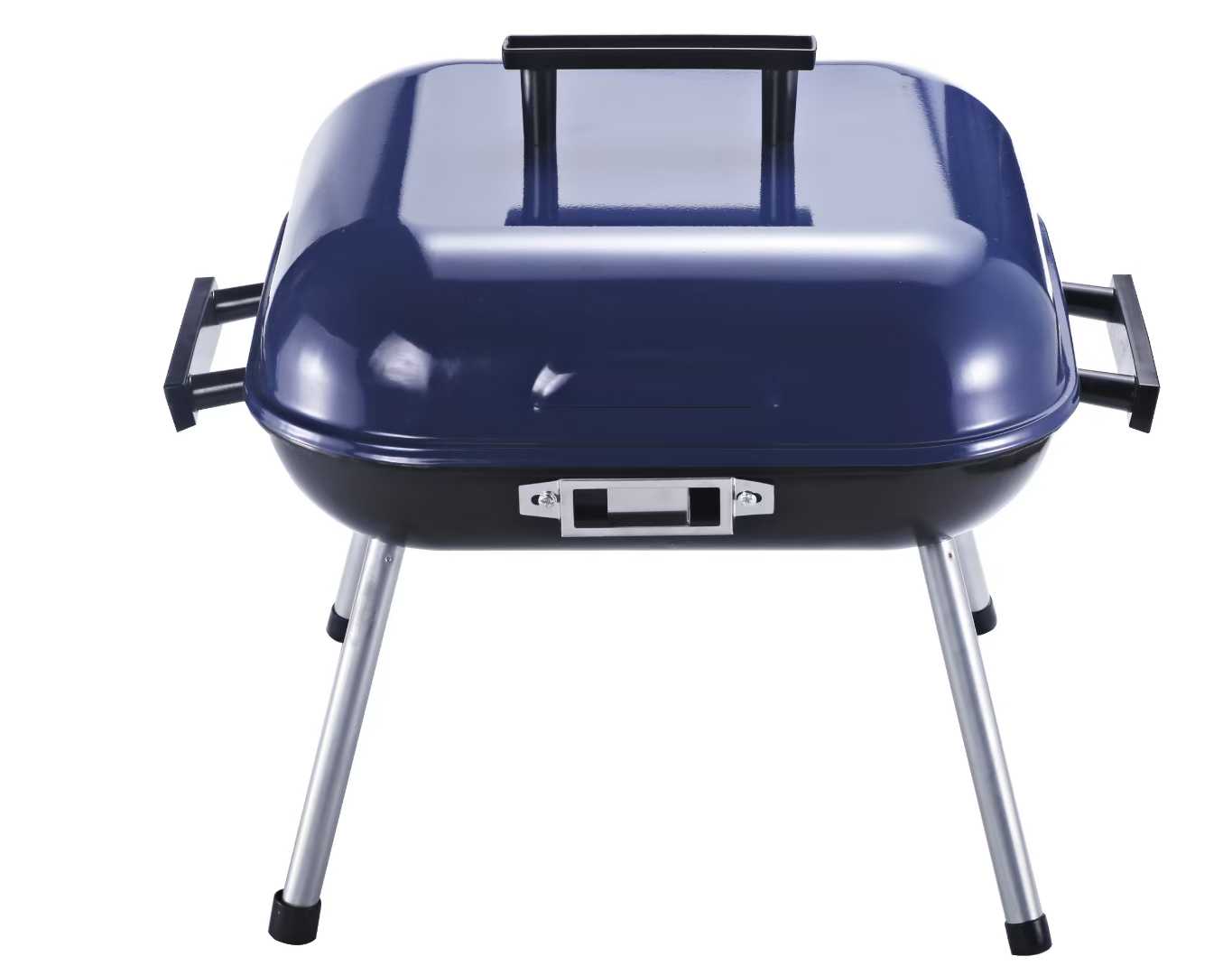
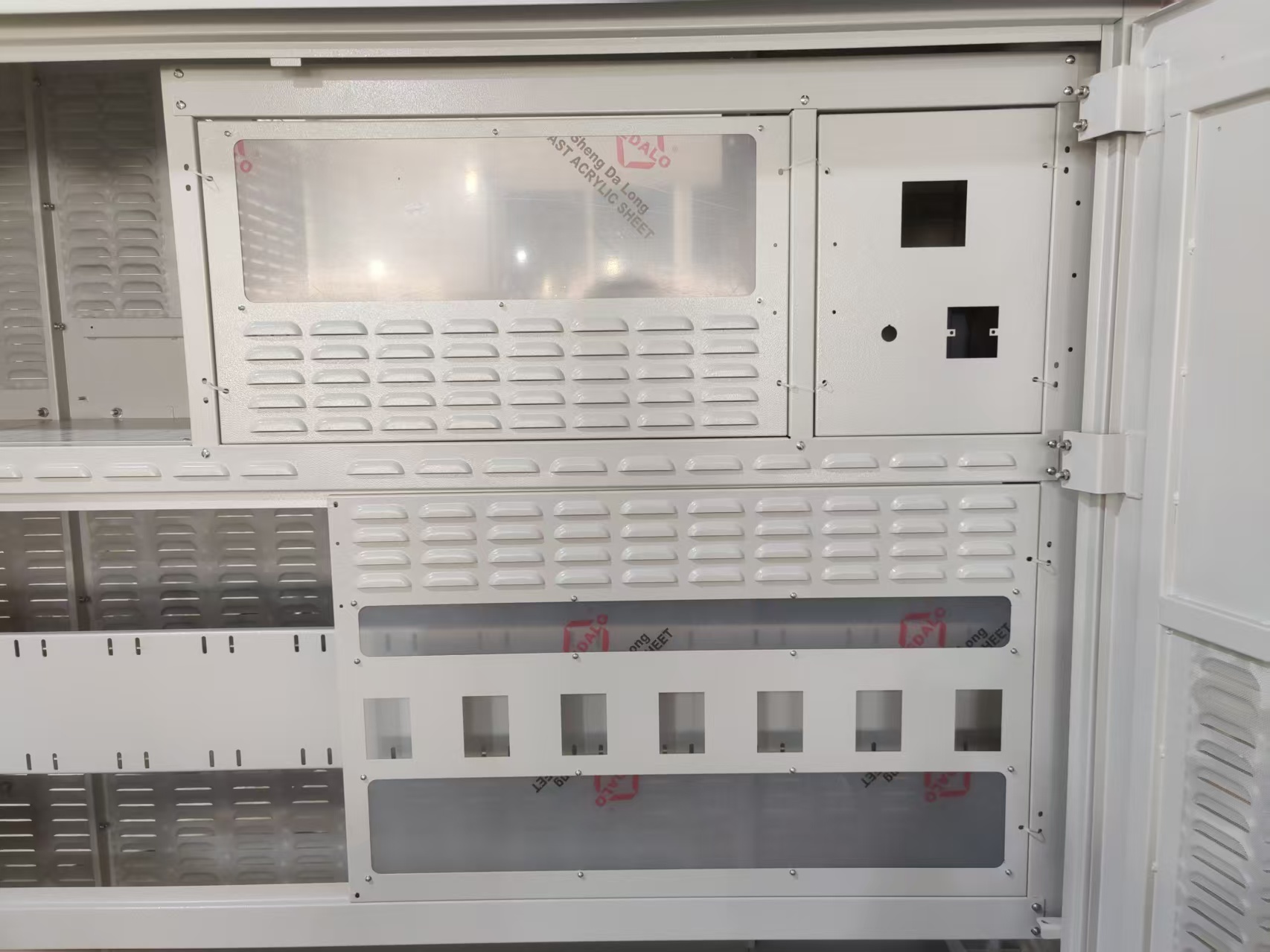
Powder Coating: Powder-coated surfaces have a uniform, matte or semi-gloss finish, with a thick, smooth texture. The surface is free of brush marks or drips, and the color is consistent across the entire part. A key tactile feature is that powder-coated surfaces feel slightly "rubbery" or "plastic-like" when touched, different from the metallic feel of electroplating or chemical conversion coatings. Powder coating is available in a wide range of colors and is often used for outdoor equipment, automotive parts, and household appliances. A simple test: tap the surface lightly; powder coating produces a dull, muted sound, while metallic surfaces produce a sharp, ringing sound.
Liquid Painting: Liquid-painted surfaces may have a glossy, semi-gloss, or matte finish, but they often show subtle brush marks, roller marks, or orange peel texture (a slightly bumpy surface resembling an orange peel). The coating is thinner than powder coating, and the color may vary slightly in different areas if the application is not uniform. Liquid painting is commonly used for custom parts, low-volume production, and parts with complex shapes, such as furniture, architectural components, and decorative items. Identification tip: compare the edge of the part; liquid paint may have a thinner, more uneven edge than powder coating, which has a uniform thickness.
3. Summary of Key Identification Indicators
To simplify the identification process, here is a summary of the key indicators for each common surface treatment process:
Mechanical Finishing: Focus on surface texture (linear scratches for grinding, mirror-like for polishing, uniform matte for sandblasting) and reflectivity.
Chemical Conversion Coating: Observe color (gray/black for phosphating, yellow/green for chromating) and perform the water drop test (hydrophobic for phosphating).
Electroplating: Check luster (cool shine for chrome, warm shine for nickel, silver-white for zinc) and magnetic properties (zinc plating on magnetic substrate, nickel/chrome non-magnetic).
Organic Coating: Feel the texture (plastic-like for powder coating, brush marks for liquid painting) and listen to the tapping sound (dull for organic coatings, sharp for metallic surfaces).
4. Practical Tips for Accurate Identification
1. Combine Multiple Methods: Do not rely on a single indicator. For example, a silver-white surface could be zinc plating, nickel plating, or polished stainless steel. Use a combination of luster observation, magnetic testing, and tactile feedback to confirm.
2. Check the Substrate: The type of metal substrate (steel, aluminum, stainless steel) can narrow down the possible surface treatments. For example, chromating is commonly used on aluminum, while zinc plating is mostly used on steel.
3. Examine Edges and Joints: Edges and joints are often areas where surface treatments are less uniform, making it easier to observe the thickness and texture of the coating. For example, powder coating has a uniform edge thickness, while liquid paint may be thinner at the edges.
4. Avoid Damaging the Part: When performing simple tests (such as tapping or water drops), ensure that you do not damage the surface of the part, especially for decorative or precision components.

Conclusion
Identifying surface treatment processes on sheet metal parts requires a combination of visual inspection, tactile feedback, and basic testing. By understanding the unique characteristics of each common process—such as texture, luster, color, and magnetic properties—you can accurately distinguish between mechanical finishing, chemical conversion coating, electroplating, and organic coating. This knowledge is not only useful for quality control and maintenance in manufacturing but also for enthusiasts and professionals working with sheet metal parts in various industries. With practice, you will be able to quickly and accurately identify different surface treatments, enhancing your understanding and application of sheet metal technology.