In layman's terms, sheet metal processing refers to a general term for a series of comprehensive cold working processes, such as shearing, stamping, bending, welding, and surface treatment, applied to metal sheets usually with a thickness of less than 6mm. Its most prominent feature is that the thickness of the part remains consistent during processing, distinguishing it from processing methods such as casting and forging that change the material thickness. Unlike the "subtractive thinking" of traditional machining, which removes a large amount of material, sheet metal processing focuses more on "deformation shaping". On the premise of maximizing the retention of the original properties of the material, it realizes the transformation from a flat to a three-dimensional structure through external force, which not only saves materials but also enables efficient mass production — this is the core advantage of its wide application.
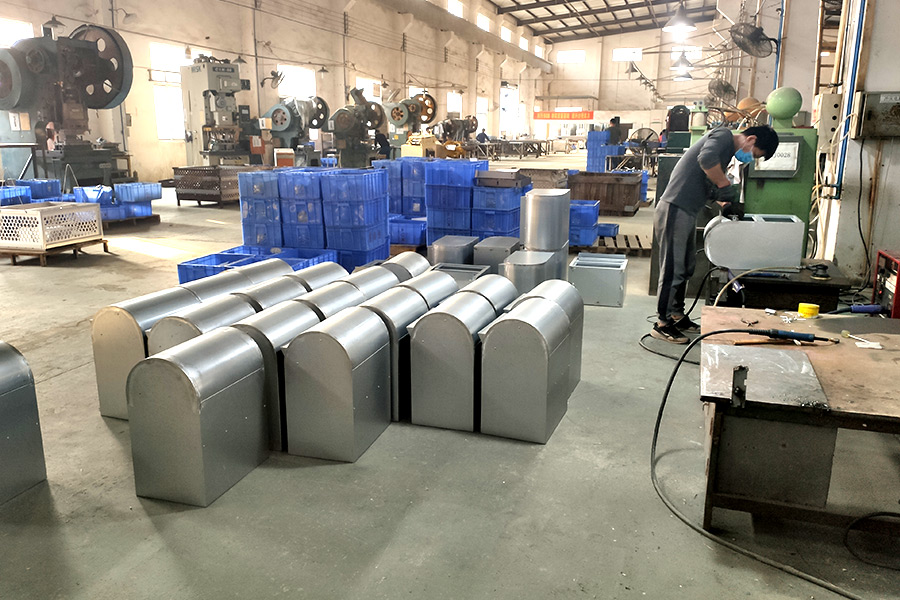
I. Introduction to Sheet Metal: Materials Are the "Background" of Deformation Art
The effect of sheet metal processing first depends on the choice of materials — different metal sheets have different characteristics and are suitable for different application scenarios, just like painters choosing different canvases, the final artistic effect is also completely different. Common sheet metal materials have their own focuses, and precise material selection is the first step to ensure processing quality and product performance.
Cold-rolled steel sheet (SPCC) is the most commonly used basic material. It has a flat surface, high precision, moderate cost, and is easy to stamp and bend. It is suitable for making home appliance casings, mechanical parts and other products without special anti-rust requirements, and subsequent surface treatment is required to improve anti-rust ability. Hot-rolled steel sheet (Q235) has high strength and low price, but its surface roughness is large and precision is low, so it is more suitable for making load-bearing structural parts, such as equipment frames and bases.
Stainless steel (304/316) has become the first choice for food machinery, medical equipment and outdoor equipment due to its excellent corrosion resistance and machinability; among them, 316 stainless steel has stronger corrosion resistance, can adapt to harsh environments such as coastal areas and chemical industry, and its cost is relatively high. Aluminum alloy (6061/5052) stands out with its lightweight advantage. 6061 aluminum alloy has medium strength and can be strengthened by heat treatment, suitable for aviation parts and equipment casings; 5052 aluminum alloy has good plasticity and corrosion resistance, suitable for stamping decorative parts with complex shapes and box side panels, and is widely used in new energy vehicles, aerospace and other fields.
In addition, galvanized sheet (SGCC) greatly improves anti-rust ability by galvanizing the surface of cold-rolled sheet, without additional anti-rust treatment, and is often used in auto parts and outdoor boxes; brass and red copper have excellent electrical conductivity, suitable for electrical contacts and heat sinks; color-coated sheet has a pre-coated color coating on the surface, which is beautiful and anti-rust, mostly used in building exteriors and advertising signs, providing more possibilities for the "artistic expression" of sheet metal processing.
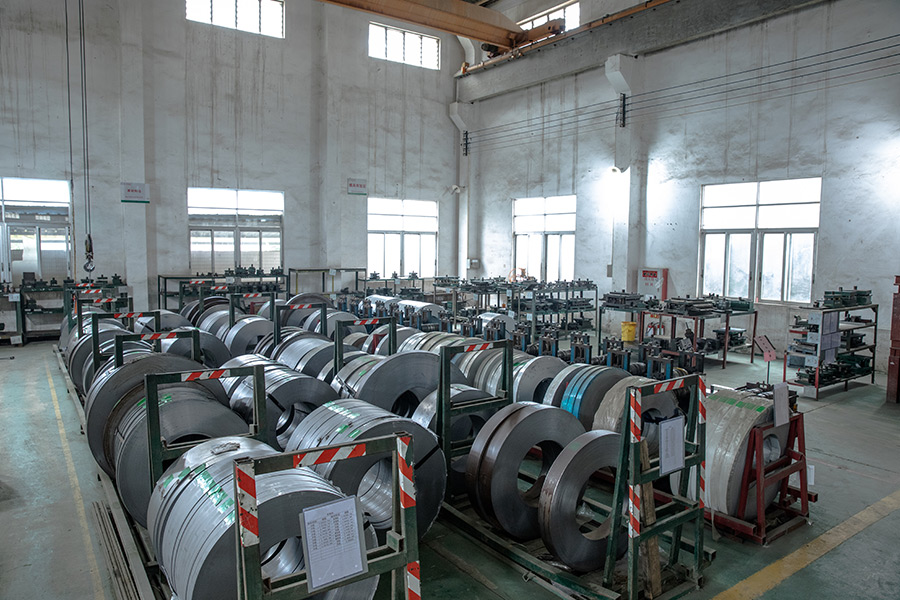
II. Core Processes: Unlocking the "Deformation Code" of Metal Step by Step
If materials are the "background" of sheet metal processing, then a series of core processes are the "brushes". From raw materials to finished products, every step needs precise control, and no deviation is allowed. The core process of sheet metal processing can be summarized as "blanking — forming — joining — surface treatment". Each link has its unique technical points, which together complete the "transformation" of metal sheets.
(1) Blanking: Precise Cutting to Lay the Foundation
Blanking is the first step in sheet metal processing. Its core is to accurately cut the metal sheet into the required blank shape according to the size of the design drawing, which is equivalent to "setting the outline" for subsequent processing. There are three common blanking methods, suitable for different production needs:
Laser cutting is currently the most mainstream and precise blanking method. It uses a high-energy laser beam to instantly melt and vaporize metal materials, and can cut any complex shape, including special-shaped parts and irregular holes. The cutting section is flat and smooth, with a precision of ±0.1mm, and there is no tool wear. It is suitable for mass production and products with high precision requirements. The only disadvantage is that the processing of small workpieces takes a long time.
CNC punch blanking relies on mold stamping forming. By replacing different molds, it can quickly complete punching, trimming, blanking and other operations with extremely high efficiency, suitable for mass production of sheet metal parts with simple shapes. However, limited by tools, for the processing of special-shaped workpieces and irregular holes, burrs are likely to appear on the edges, which need subsequent trimming, and mold wear will affect processing precision.
Shearing machine blanking is mainly used for simple straight-line cutting, suitable for mass cutting of sheets with a single shape. It is simple to operate and low in cost, but can only cut regular shapes such as rectangles and strips, with relatively low precision, suitable for rough processing with low precision requirements.
After blanking, it is also necessary to trim the edges, burrs and joints, and use tools such as flat files and grinders to process burrs to ensure the beautiful appearance of the workpiece, and at the same time prepare for subsequent bending and forming, avoiding burrs affecting positioning precision and causing dimensional deviation of the same batch of products.
(2) Forming: Plastic Deformation to Shape the Form
Forming is the "soul link" of sheet metal processing and the core of reflecting the "art of metal deformation". It forms the required three-dimensional shape by applying external force to make the flat metal sheet undergo plastic deformation. Among them, bending and stamping are the two most commonly used forming processes.
Bending is to bend the metal sheet into shape according to the designed angle through a bending machine. From the edges of home appliances and equipment brackets to the curtain wall components of buildings, bending technology is indispensable. During bending, it is necessary to select appropriate tools and tool grooves according to the thickness and material of the sheet to avoid collision deformation between the product and the tool; at the same time, the principle of "inside first, outside later, small first, large later, special first, ordinary later" should be followed. For workpieces that need to be pressed to a dead edge, they should first be bent to 30°—40°, and then pressed to death with a leveling die to ensure precise bending angle and flat edges, avoiding defects such as springback and wrinkles.
Stamping forming uses a punch and mold to apply pressure to the metal sheet to make it undergo plastic deformation or separation, forming workpieces of specific shapes, such as depressions on automobile bodies, patterns on home appliance panels, and bosses on sheet metal parts. Stamping forming has high efficiency and good consistency, and can mass produce parts with complex shapes. It is divided into stretching, punching, blanking, embossing and other methods. The precision of the mold directly determines the quality of the stamping part — a high-quality mold can make the stamping part have a smooth surface and precise size, without scratches or deformation.
In addition, there are other forming processes such as roll forming and flanging and tapping. Roll forming is suitable for making long strip arc and wave components, such as ventilation ducts and decorative lines; flanging and tapping is to process threaded holes on sheet metal parts to facilitate subsequent assembly. It is necessary to pay attention to the flanging height and thread precision to avoid problems such as slipping and cracking.
(3) Joining: Splicing and Combining to Form a Whole
For complex sheet metal products, a single formed part cannot meet the needs. It is necessary to splice and combine multiple sheet metal parts into a complete product through joining processes. There are three common joining methods, each with suitable scenarios:
Welding is the most commonly used joining method. It fuses two sheet metal parts into one by melting metal at high temperature, with firm connection and good sealing performance, suitable for load-bearing structural parts such as equipment frames and automobile chassis. Common welding methods include argon arc welding, spot welding and carbon dioxide gas shielded welding. Spot welding is suitable for mass production with fast welding speed, but welding scars will appear on the surface, which need subsequent grinding; argon arc welding has high welding precision and smooth surface, suitable for products with high precision and high appearance requirements, but its welding speed is slow and cost is high, and the heat generated is likely to deform the workpiece, so the edges need to be ground and trimmed after welding.
Riveting is to fix and connect two sheet metal parts through rivets. It does not require high temperature, will not damage the anti-rust layer of the sheet, and is easy to disassemble. It is suitable for products that need subsequent maintenance and disassembly, such as home appliance casings and equipment panels. The surface is flat and beautiful after riveting, but the connection strength is not as good as welding.
Press riveting uses a press riveting machine to press fasteners such as studs and nuts into the prefabricated holes of the sheet metal part to form a firm threaded connection. It is suitable for products that need frequent disassembly and assembly, such as server cabinets and distribution boxes. During press riveting, it is necessary to adjust the pressure of the press to ensure that the studs and nuts are flush with the surface of the workpiece, avoiding the situation of loose pressing or protruding from the surface of the workpiece, which leads to product scrapping.
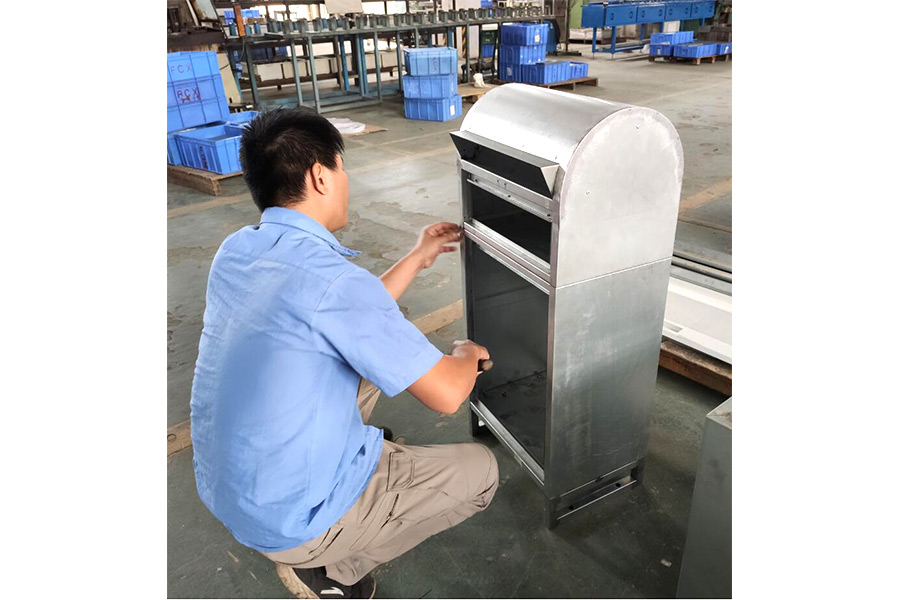
(4) Surface Treatment: Adding Finishing Touches to Improve Texture and Durability
Surface treatment is the "last process" of sheet metal processing. It can not only improve the appearance texture of the product, make the "metal art" more ornamental, but also enhance the corrosion resistance and wear resistance of the product, extend its service life, which is equivalent to putting a "protective coat" on the sheet metal product. Different sheets have different surface treatment methods, and the core is to choose the appropriate method according to the use scenario and appearance requirements.
Spraying is the most commonly used surface treatment method, divided into electrostatic spraying and powder spraying. By uniformly spraying paint on the surface of the sheet metal part and curing it at high temperature to form a protective film, any color can be selected according to needs, with a full and smooth appearance and strong corrosion resistance. It is suitable for home appliance casings, equipment panels, building decorative parts and other products with high appearance requirements. Before spraying, the workpiece needs to be surface pretreated, including cleaning, degreasing and phosphating, to remove oil, dust and oxide layer on the surface, ensure paint adhesion, and avoid problems such as paint peeling and blistering.
Electroplating is to plate a layer of metal, such as zinc, chromium and nickel, on the surface of the sheet metal part through electrolysis. Its main purpose is to enhance corrosion resistance and electrical conductivity. Galvanizing can improve anti-rust ability, mostly used in outdoor equipment and auto parts; chrome plating can improve surface hardness and gloss, mostly used in decorative parts and precision instruments; nickel plating has both corrosion resistance and electrical conductivity, mostly used in electronic components and electrical contacts.
For special materials such as stainless steel and aluminum plate, the surface treatment method is simpler: stainless steel can be brushed or mirrored. Brushing treatment can present a delicate metal texture, while mirror treatment can achieve a mirror gloss without additional spraying; aluminum plate mostly adopts anodizing treatment, which can present different colors such as black and natural color, and enhance corrosion resistance. If spraying is needed, chromate oxidation treatment should be carried out first to improve paint adhesion.
In addition, there are other surface treatment methods such as electrophoresis and sandblasting. Electrophoresis treatment has strong corrosion resistance and uniform coating, suitable for sheet metal parts with complex shapes; sandblasting treatment can make the surface of the sheet metal part present a rough frosted texture, improve paint adhesion, and is suitable for pretreatment before subsequent spraying.

III. Quality Inspection: Maintaining Precision and Ensuring Quality
The quality of sheet metal parts must not only be strictly controlled during the production process, but also need an independent quality inspection link to "check". There are two core points of inspection: first, strictly check the size according to the drawing, and use tools such as vernier calipers, outside micrometers and steel rulers to detect key dimensions such as the length, width, bending angle and hole diameter of the workpiece, and rework or scrap those with inconsistent dimensions; second, strictly check the appearance quality, and do not allow scratches, burrs, paint peeling, color difference and other defects on the surface of the workpiece. At the same time, detect the corrosion resistance and adhesion after spraying, as well as the firmness of welding and riveting.
Through quality inspection, it can not only ensure that the finished product meets the design requirements, but also timely find problems such as errors in the expansion drawing, bad habits in the production process, programming errors of the CNC punch and mold errors, provide a basis for subsequent production optimization, and ensure the consistency and stability of the same batch of products.
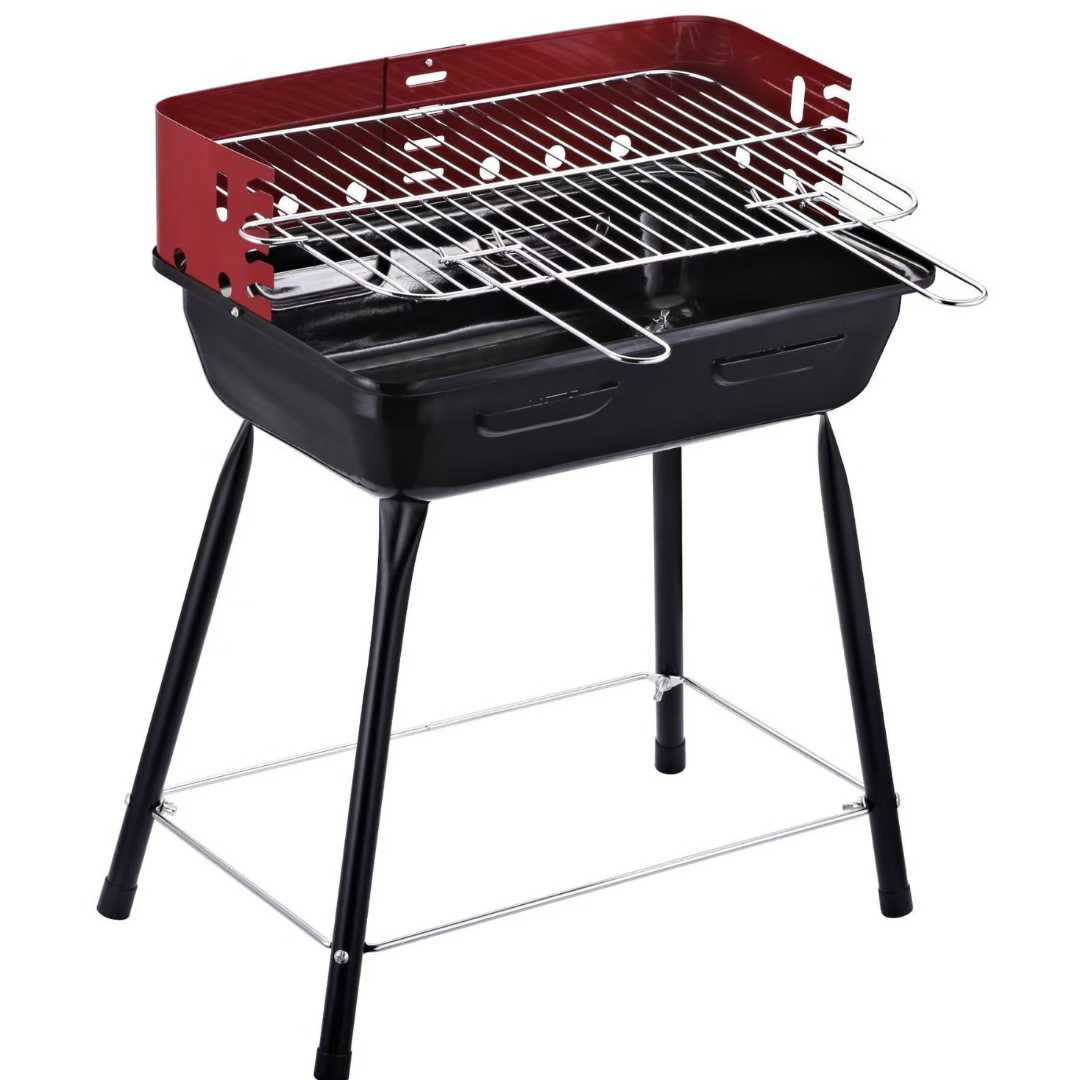
IV. Application Scenarios: The Ubiquitous "Metal Art"
With the advantages of high efficiency, low cost and strong plasticity, sheet metal processing has long penetrated into all aspects of our lives. From industrial production to daily life, from aerospace to civil home appliances, sheet metal products can be seen everywhere, becoming the "universal supporting role" of modern manufacturing.
In the industrial field, sheet metal processing is the core support of mechanical equipment and industrial equipment. Almost all the outer covers, control cabinets, frames, conveying equipment casings and storage equipment of various machine tools are composed of sheet metal parts, providing support, protection and beautiful appearance for the equipment; in the field of energy equipment manufacturing, sheet metal processing plays a cornerstone role. The casings of boilers, pressure vessels and related modules, internal structure brackets and pipeline connection components are all inseparable from high-precision sheet metal processing.
In the automotive and transportation field, the body coverings (doors, hoods, trunk lids), chassis structural parts and exhaust pipes of automobiles, as well as the interior panels and cargo boxes of buses and trains, are all important products of sheet metal processing; with the development of new energy vehicles, the demand for lightweight body sheet metal parts is also growing, and the application of new sheet metal materials such as aluminum alloy and carbon fiber composite materials is becoming more and more extensive.
In the electronic and electrical field, products such as server cabinets, network cabinets, distribution boxes, control boxes and electrical casings have high requirements on the precision and electromagnetic shielding performance of sheet metal processing. Sheet metal parts can not only protect the safety of internal electronic components, but also realize functions such as heat dissipation and electromagnetic compatibility.
In the field of architecture and decoration, a large number of sheet metal products such as stainless steel and aluminum plates are used in metal curtain walls, ceiling suspended ceilings, door and window frames, stair railings and indoor decorative components. They are not only sturdy and durable, but also can create rich modern architectural aesthetic effects, adding texture to urban buildings.
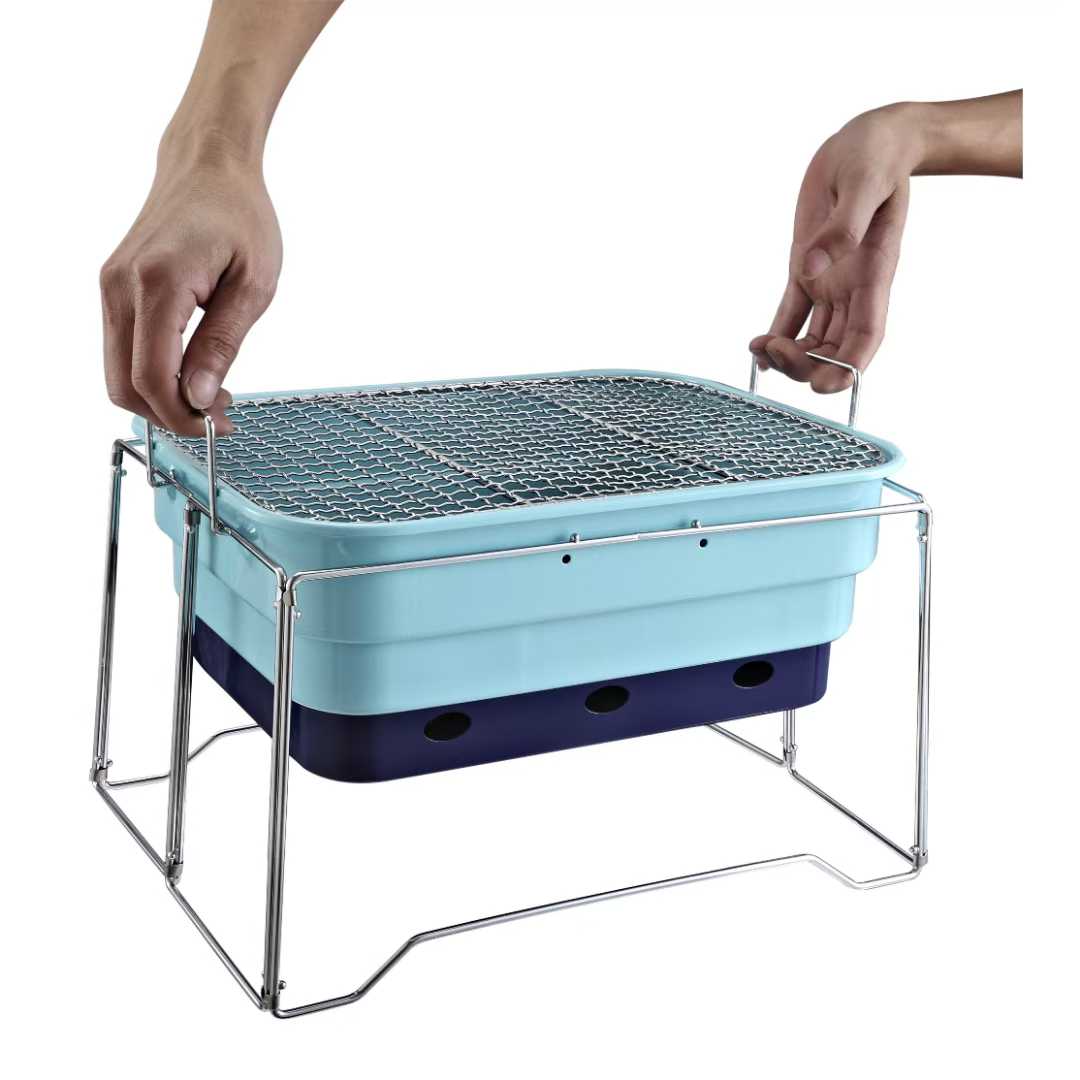
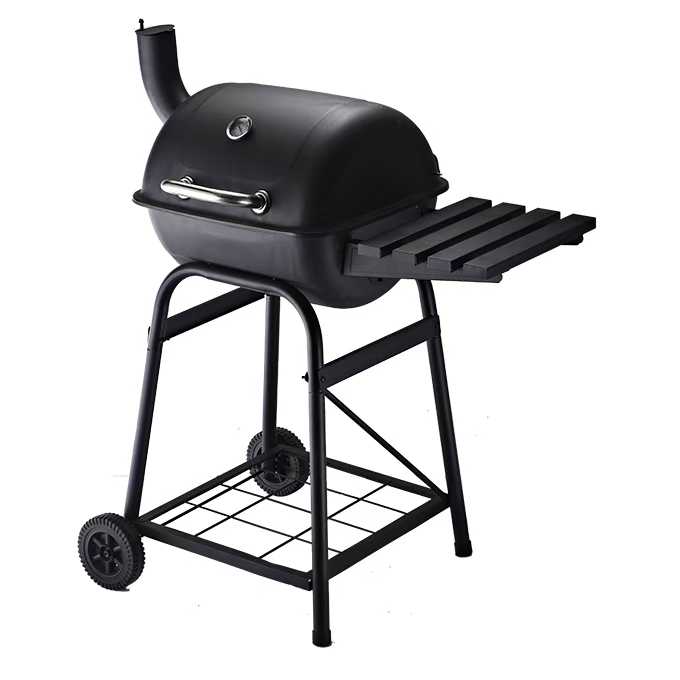
In daily life, sheet metal products are even more ubiquitous: file cabinets, medical equipment casings (non-core components), catering equipment, vending machines, elevator cars, chimneys, iron stoves, etc. These seemingly ordinary items all embody the technological wisdom of sheet metal processing; in the aerospace field, aircraft wing skins, fuselage structural parts, satellite brackets, etc. also need high-precision and lightweight sheet metal parts, demonstrating the high-end strength of sheet metal processing.
V. Development Trend: Intelligent Upgrade to Unlock More Possibilities
With the development of manufacturing towards intelligence, high precision and greenization, sheet metal processing is also constantly upgrading and iterating, getting rid of the traditional processing mode of "manual + ordinary equipment", and moving rapidly towards digitalization, automation and high-endization, injecting new vitality into this "art of metal deformation".
Intelligent processing has become the mainstream. Equipment such as laser cutting machines and bending machines are equipped with CNC systems and automatic loading and unloading devices to realize unmanned production, which not only greatly improves processing efficiency, but also further improves processing precision and reduces human errors; at the same time, automatic equipment can realize 24-hour continuous production, reduce labor costs, and adapt to the needs of large-scale mass production.
Digital design and simulation technology are widely used. Through 3D software such as SolidWorks, UG and Pro/E, 3D modeling and process simulation of sheet metal parts can be realized, which can predict problems such as interference and springback during processing in advance, optimize processing technology, reduce trial and error costs, shorten production cycles, and make sheet metal processing more scientific and precise.
New materials and new processes are constantly emerging. The application of lightweight materials such as high-strength aluminum alloy and carbon fiber composite materials in sheet metal processing is becoming more and more extensive, meeting the lightweight needs of new energy vehicles, aerospace and other fields; at the same time, green and environmentally friendly processing has become a development trend. The application of low-energy-consuming equipment, environmentally friendly coatings and waste liquid recovery systems reduces environmental pollution during processing and meets the requirements of sustainable development.
In addition, the personalized and customized capabilities of sheet metal processing are also improving. According to the unique needs of customers, it can design and process various sheet metal products with complex shapes and special functions, combining practicality and artistry, allowing the "art of metal deformation" to shine more brightly.
VI. Conclusion: Rigid Metal, Flexible Art
Sheet metal processing, which seems to be cold metal processing, is actually an art full of temperature and wisdom. With metal sheets as the carrier and precise technology as the support, it transforms rigid metal into products with both function and beauty, which not only carries the hard power of modern manufacturing, but also interprets the process aesthetics of "deformation is creation".
From simple cutting and bending to complex forming and joining, every operation tests the patience and precision of craftsmen; from the core components of industrial equipment to the trivial items in daily life, every sheet metal product embodies the progress of technology and the development of the times. With the continuous penetration of intelligent and digital technologies, sheet metal processing, this ancient yet young technology, will surely unlock more possibilities and continue to write the legend of the "art of metal deformation" in the wave of modern manufacturing.