Introduction: Sheet Metal Processing – The "Invisible Steel Art" in Daily Life
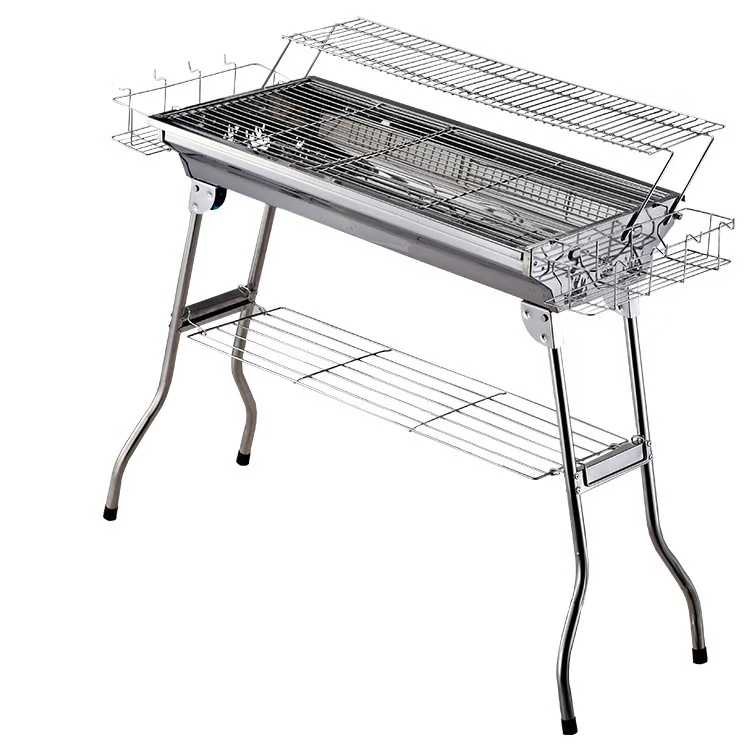
From small phone holders and household appliance casings to large automotive bodies and building curtain walls, sheet metal processing penetrates every aspect of production and life with its efficient and precise metal forming technology. Simply put, sheet metal processing refers to a series of operations such as cutting, bending, stamping, and joining metal sheets to finally form products of specific shapes. For beginners, mastering the core logic of material selection and basic specifications for tool use is the first step into the world of sheet metal.
I. Material Selection: Choose the Right "Foundation" for Quality Products
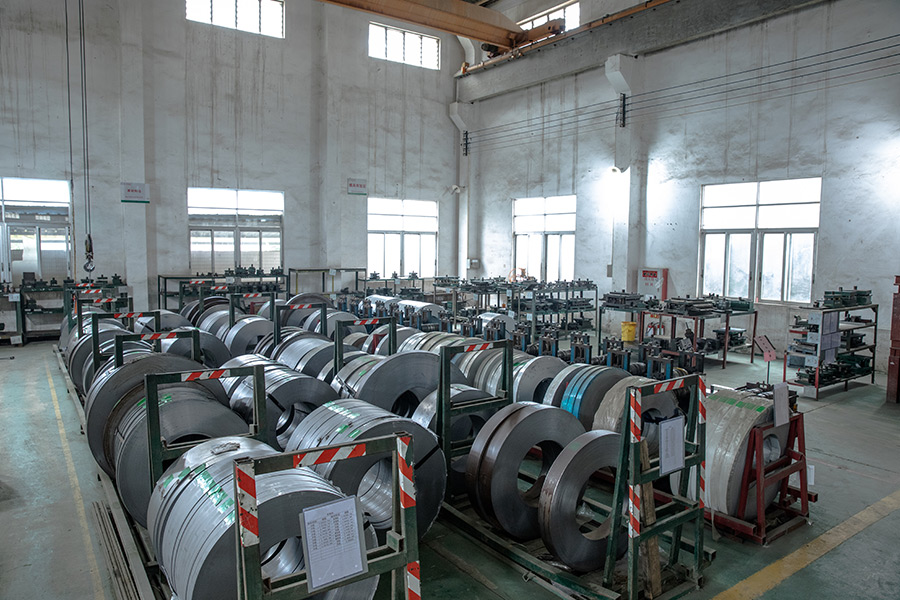
The selection of sheet metal materials directly determines the product’s strength, corrosion resistance, weight, and cost. It requires comprehensive judgment based on application scenarios, functional requirements, and budget. Below are the most commonly used sheet metal materials and their applicable scenarios:
1. Cold Rolled Steel Sheet (SPCC) – The Cost-Effective Choice
· Characteristics: Smooth surface, high dimensional accuracy, excellent stamping formability, and low cost; however, poor corrosion resistance requires subsequent rust prevention treatments such as painting or electroplating.
· Applicable Scenarios: Household appliance casings (refrigerators, washing machines), mechanical equipment enclosures, automotive interior parts, and other products with low corrosion resistance requirements.
2. Hot Rolled Steel Plate (Q235) – The Strength Champion
· Characteristics: High strength, good toughness, and low price; but rough surface, low dimensional accuracy, and easy to rust, requiring derusting before coating.
· Applicable Scenarios: Large equipment bases, building supports, truck bodies, and other structural parts with high strength requirements but low appearance requirements.
3. Stainless Steel (304/316) – The Corrosion-Resistant Champion
· Characteristics: 304 stainless steel has strong corrosion resistance and an attractive surface, suitable for general scenarios; 316 stainless steel adds molybdenum on the basis of 304, offering superior acid-alkali resistance and high-temperature resistance but at a higher cost.
· Applicable Scenarios:
· 304: Kitchen equipment (stainless steel sinks, cookware), medical devices, outdoor railings, etc.;
· 316: Chemical equipment, marine equipment, structural parts in high-temperature environments, etc.
4. Aluminum Alloy (6061/5052) – The Lightweight First Choice
· Characteristics: Lightweight (only 1/3 the weight of steel), good corrosion resistance, and excellent electrical/thermal conductivity; 6061 aluminum alloy has higher strength, suitable for mechanical processing; 5052 aluminum alloy has better formability, suitable for bending and stamping.
· Applicable Scenarios: Aerospace components, automotive parts, electronic device casings, radiators, and other products sensitive to weight.
5. Galvanized Sheet (SGCC) – The "Lazy Person’s Choice" for Rust Prevention
· Characteristics: Zinc-plated on the surface of cold-rolled steel sheets (divided into hot-dip galvanizing and electro-galvanizing), with better corrosion resistance than ordinary cold-rolled sheets and no need for additional rust prevention treatment; it has a zinc layer luster and moderate cost.
· Applicable Scenarios: Outdoor equipment casings, household appliance backplates, distribution boxes, automotive chassis parts, and other products that need to be exposed to the air for a long time.
3 Core Principles for Material Selection
1. Function First: Lock in the material type based on the product’s core requirements such as rust prevention, high-temperature resistance, high strength, or lightweight;
2. Cost Adaptation: Avoid "over-design" (e.g., using 316 stainless steel for ordinary equipment) and control costs while meeting requirements;
3. Processing Adaptation: Choose materials with good formability (such as 5052 aluminum alloy, SPCC) for products with complex shapes, and materials like Q235 or 6061 for those requiring high strength.
II. Tool Usage Guide: From Basic to Professional, Safety First
Sheet metal processing tools are divided into "basic hand tools" and "professional processing equipment." Beginners should first master the use of hand tools, then gradually learn the core functions and operating specifications of professional equipment.
(I) Basic Hand Tools: Essential for Beginners, Easy to Operate
1. Measuring and Marking Tools – The Foundation of Precise Positioning
· Tape Measure/Straight Ruler: Measure sheet dimensions and mark processing positions; common specifications are 3m/5m tape measures and 300mm/500mm straight rulers;
· Square (Right-Angle Ruler): Used to mark right angles and detect workpiece perpendicularity, an important auxiliary tool for bending and cutting;
· Scratch Awl/Compass: Draw lines on the sheet surface; the scratch awl is used with a steel ruler, and the compass is for drawing circles or arcs;
· Center Punch: Punch small indentations at the intersection of marked lines to avoid blurring during cutting or drilling; tap lightly with a hammer with moderate force.
2. Cutting Tools – The "Scissors" for Separating Sheets
· Tin Snips: Manually cut thin sheets (thickness ≤1.5mm), divided into straight-head snips (for straight lines) and bent-head snips (for curves or positions close to edges);
· Aviation Snips: More powerful than ordinary tin snips, capable of cutting steel and aluminum sheets below 2mm; divided into left-cut, right-cut, and straight-cut according to cutting direction, suitable for rough cutting of complex shapes.
3. Forming and Straightening Tools – The "Craftsman’s Tools" for Shaping
· Hammer: Divided into ball-peen hammers (for bending and straightening) and claw hammers (for flattening sheets); use with wooden or rubber pads to avoid damaging the sheet surface;
· Anvil: Serves as a supporting surface for tapping, used to flatten sheets and bend small workpieces;
· Manual Bender: Suitable for bending sheets with thickness ≤2mm, adjustable bending angle (0°-90°), easy to operate, ideal for small-batch processing or DIY projects.
4. Joining Tools – Integrate Parts into One
· Electric Drill: Drill holes with matching drill bits; common drill bit materials are high-speed steel (HSS) or cemented carbide; use a center punch to position before drilling to prevent bit slipping;
· Tap and Die: Used to process internal threads (tap) and external threads (die) for bolted connections between parts;
· Rivet Gun: For blind rivet connections, suitable for scenarios where welding or bolted connections are not feasible (e.g., thin sheet joining); select a gun head matching the rivet size during operation.
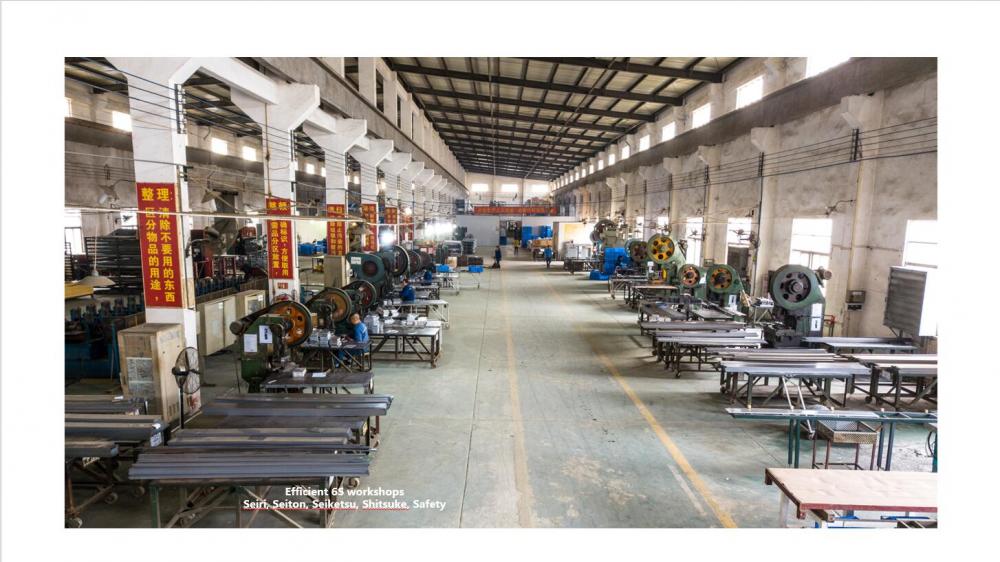
(II) Professional Processing Equipment: The Core of Large-Scale Production
1. Shearing Machine – The "Sharp Tool" for Efficient Cutting
· Function: Mass-cut sheets with high precision and speed, suitable for straight lines; divided into mechanical and hydraulic shearing machines, capable of cutting sheets from 1mm to tens of millimeters thick;
· Operation Points: Adjust the blade gap according to sheet thickness and material; ensure precise sheet positioning; operators must wear safety goggles to avoid injury from flying debris.
2. Bending Machine – The "Master" of Precise Shaping
· Function: Bend sheets into specific angles (e.g., 90°, 45°) or arcs; divided into CNC bending machines and manual bending machines; CNC models offer higher precision, suitable for complex shape processing;
· Operation Points: Select molds (upper and lower dies) according to the bending angle; adjust bending pressure and stroke to avoid sheet cracking or deformation; preheat thick sheets (for certain materials) before bending.
3. Punch Press – The "Efficient Expert" for Mass Stamping
· Function: Stamp holes, slots, bosses, and other shapes on sheets through molds; divided into ordinary punch presses and CNC punch presses; CNC models can automatically change molds, suitable for mass production;
· Operation Points: Use molds matching processing requirements; check mold installation stability before stamping; ensure accurate sheet positioning to avoid mold damage or workpiece scrapping.
4. Laser Cutting Machine – The "High-Tech Tool" for High-Precision Cutting
· Function: Melt or vaporize sheets using laser beams, capable of cutting complex shapes (e.g., curves, special-shaped holes) with extremely high precision (error ≤0.1mm); suitable for stainless steel, aluminum alloy, and other materials;
· Operation Points: Adjust laser power and cutting speed according to sheet thickness; operators must receive professional training and wear laser safety goggles to avoid laser damage.
(III) Safety Specifications for Tool Use
1. Wear Protective Equipment: Use safety goggles, gloves (except for certain scenarios like laser cutting), and safety helmets when operating any tools or equipment to prevent work-related injuries;
2. Inspect Tool Condition: Check if tools/equipment are in normal condition (e.g., sharpness of drill bits, integrity of equipment wires) before use; do not use faulty equipment;
3. Follow Operating Procedures: Strictly adhere to instructions or training requirements for professional equipment; prohibit illegal operations (e.g., cutting sheets exceeding thickness limits with a shearing machine);
4. Organize the Work Environment: Arrange tools neatly and clean up waste promptly to avoid tripping or scratching.
III. Practical Suggestions for Beginners
1. Start with Simple Projects: First practice making small workpieces (e.g., brackets, simple casings) with hand tools to familiarize yourself with material characteristics and tool operations;
2. Accumulate Details: Record the processing difficulty of different materials and tool parameters (e.g., bending machine pressure) to gradually build your own experience library;
3. Safety Always Comes First: Illegal operation of both hand tools and professional equipment may lead to safety accidents; always keep safety specifications in mind.
Conclusion
Sheet metal processing is a skill that "improves through practice." The logic of material selection and specifications for tool use are the foundation, but real progress requires continuous experimentation and summary. It is hoped that this guide will help beginners take their first step and gradually explore the fun and mysteries of sheet metal processing in subsequent practice.