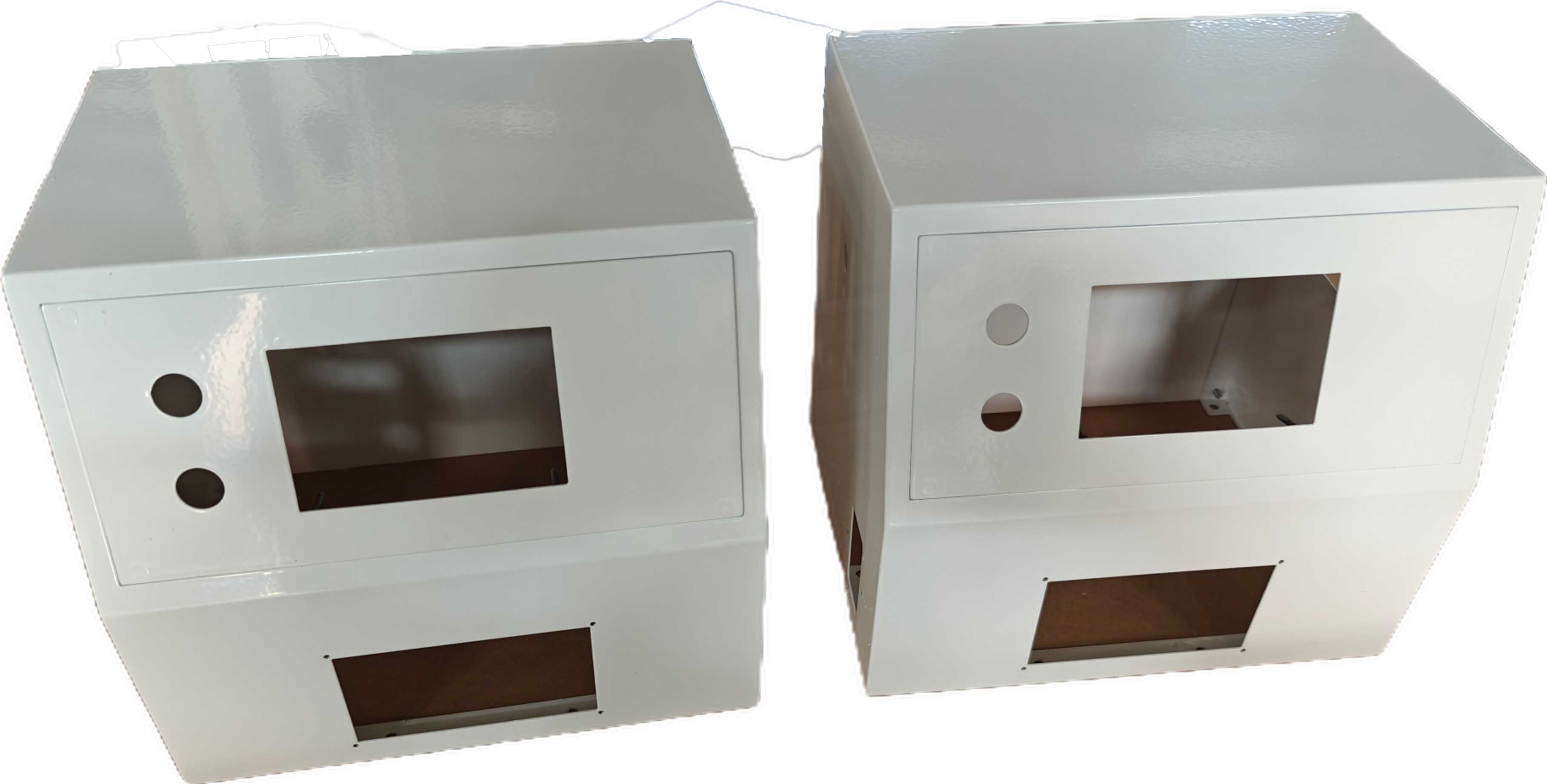
I. Basic Understanding of Sheet Metal Processing: What is Sheet Metal Processing?
Before formally learning about materials and tools, we first clarify a core concept: sheet metal processing, simply put, is a general term for a series of cold processing processes performed on metal sheets, with the core being "shaping without changing the material thickness" (except for special processes). Common sheet metal processing procedures include shearing, bending, stamping, welding, grinding, etc. Through these procedures, flat metal sheets are processed into various three-dimensional structures that meet the requirements.
Different from mechanical processing (such as turning, milling, planing, grinding), sheet metal processing focuses more on "shaping and splicing of sheets", which has the characteristics of high efficiency, low cost, and strong mass production capacity, and is widely used in many industries such as automobile, electronics, home appliances, construction, and aerospace. For beginners, there is no need to master all complex procedures at the beginning; mastering material selection and basic tool use first can help you take the first step in sheet metal processing.
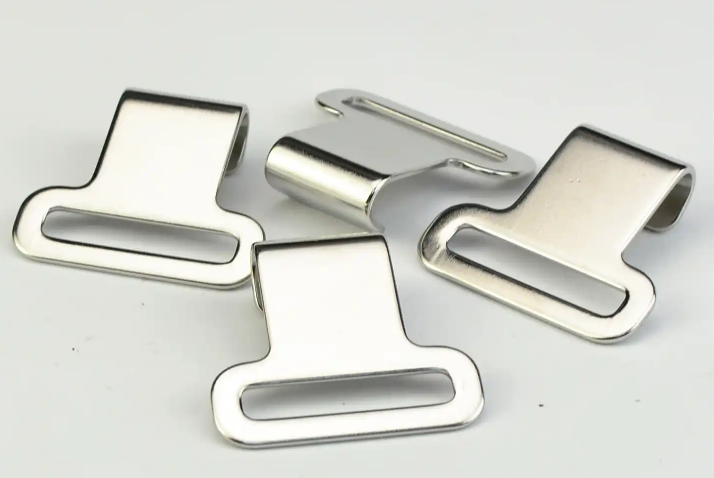
II. Material Selection for Sheet Metal Processing: Choose the Right Material for Twice the Result with Half the Effort
The core of sheet metal material selection is "matching the use scenario" — different application environments, force requirements, and appearance requirements correspond to different materials. Beginners are most likely to fall into the misunderstanding of "the more expensive the better"; in fact, as long as it fits the demand, ordinary materials can also make qualified products. The following are the 4 most commonly used materials in sheet metal processing, as well as their application scenarios and selection skills, which beginners can refer to directly.
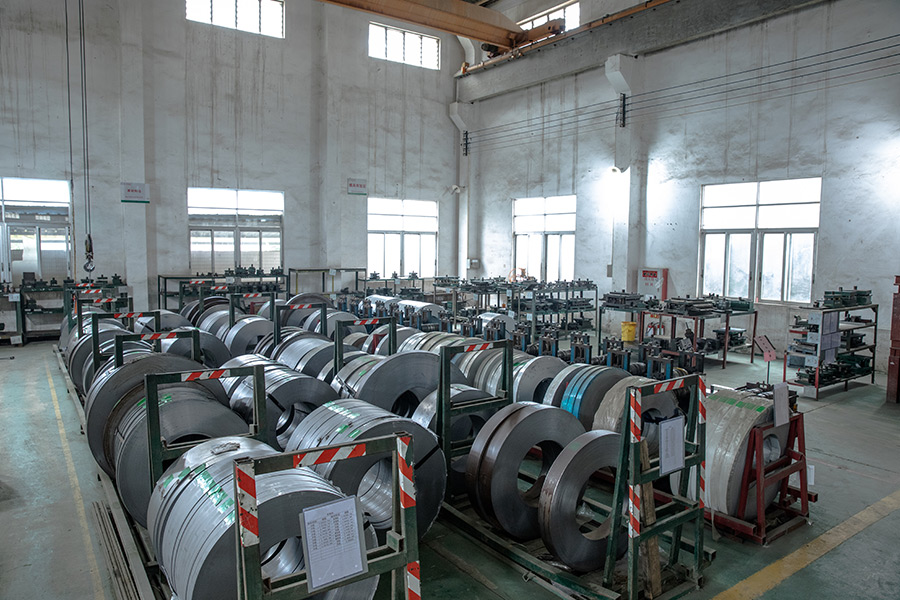
(I) Detailed Explanation of Common Sheet Metal Materials
1. Cold-Rolled Steel Sheet (SPCC): The King of Cost-Effectiveness, First Choice for Beginners
Cold-rolled steel sheet is the most common and basic material in sheet metal processing, and also the first choice for beginners. It is made by cold rolling process, with a flat surface, high precision, uniform thickness, low cost, and stable mechanical properties, suitable for most sheet metal parts without special requirements.
Application Scenarios: Household appliance casings (such as refrigerator and washing machine casings), equipment shields, brackets, chassis, etc., especially suitable for mass-produced ordinary sheet metal parts.
Notes: Cold-rolled steel sheet has no anti-rust layer on the surface and is prone to rust. It needs to be painted, electroplated and other anti-rust treatments after processing; it is not suitable for humid and highly corrosive environments.
2. Galvanized Steel Sheet (SGCC): Anti-Rust Expert, No Additional Treatment Needed
Galvanized steel sheet is a cold-rolled steel sheet with a layer of zinc plated on the surface. The zinc layer can effectively isolate air and moisture, playing a good anti-rust role, and is the preferred material for "no anti-rust treatment required". Its surface has two types: bright zinc and gray zinc. Bright zinc has a beautiful appearance, and gray zinc has stronger corrosion resistance.
Application Scenarios: Outdoor equipment casings, distribution boxes, air conditioner outdoor unit casings, auto parts, etc., especially suitable for humid, outdoor or slightly corrosive environments.
Notes: The zinc layer of galvanized steel sheet is easy to fall off during processing. The force should be controlled during bending and stamping to avoid zinc layer damage; zinc fume will be generated during welding, so protective measures should be taken.
3. Stainless Steel Sheet (304/316): King of Corrosion Resistance, First Choice for High-End Needs
Stainless steel sheets are divided into various models, among which 304 and 316 are the two most commonly used in sheet metal processing. 304 stainless steel is corrosion-resistant, high-temperature resistant, and has a bright appearance, suitable for most high-end scenarios; 316 stainless steel adds molybdenum on the basis of 304, which has stronger corrosion resistance, suitable for strong corrosive environments such as coastal areas and chemical industry.
Application Scenarios: Food machinery, medical equipment, chemical equipment, coastal equipment, high-end home appliances, etc., scenarios with high requirements for corrosion resistance and hygiene.
Notes: Stainless steel sheets have high cost and slightly higher processing difficulty (such as special tools are needed for welding and bending); the surface is prone to scratches, so protection should be done during processing to avoid scratches affecting the appearance.
4. Aluminum Sheet (5052/6061): First Choice for Lightweight, Both Appearance and Strength
The biggest advantage of aluminum sheet is light weight, good thermal conductivity, beautiful appearance, and certain corrosion resistance. It is divided into two commonly used models: 5052 and 6061. 5052 aluminum sheet has good plasticity, suitable for bending and stamping, and is often used for appearance parts; 6061 aluminum sheet has high strength, suitable for structural parts that need to bear force.
Application Scenarios: Aerospace components, automotive lightweight parts, electronic equipment casings, decorative parts, etc., scenarios with requirements for weight and appearance.
Notes: Aluminum sheet has low hardness, easy to scratch and deform, so the force should be controlled during processing; special aluminum welding tools are needed for welding, and beginners are advised to start with simple bending and shearing.
(II) Core Skills for Beginners in Material Selection
1. Clarify Requirements First: Prioritize determining the product's use environment (dry/humid/corrosive), force conditions (load-bearing/non-load-bearing), and appearance requirements (whether it needs to be exposed) before selecting materials to avoid blindly pursuing high-end.
2. Control Cost: For beginners' practice or ordinary products, prioritize cold-rolled steel sheet (SPCC); choose galvanized steel sheet (SGCC) if there is anti-rust demand; choose stainless steel or aluminum sheet for high-end and strong corrosive scenarios.
3. Pay Attention to Thickness Matching: The thickness of sheet metal materials is generally between 0.5-3.0mm. The thicker the thickness, the greater the processing difficulty (greater force is needed for bending and shearing). Beginners are advised to start with 1.0-1.5mm thickness, which is easy to operate.
III. Tool Use in Sheet Metal Processing: Use the Right Tools for Precision and Efficiency
Tools for sheet metal processing are divided into "manual tools" and "mechanical tools". Beginners can first master the use of manual tools, then gradually become familiar with mechanical tools. The core function of tools is "shearing, bending, fixing, and grinding". Each type of tool has its specific purpose and cannot be mixed, otherwise, it will affect processing accuracy and even damage tools or materials.
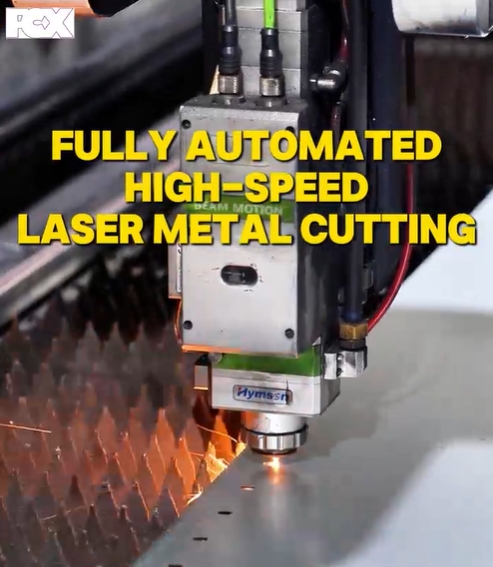
(I) Manual Tools: Essential for Beginners, Simple and Easy to Operate
1. Tape Measure + Scriber: Precise Measurement and Marking
These are the basic tools for sheet metal processing, indispensable. The tape measure is used to measure the length, width of the sheet, as well as the size of bending and shearing. It is recommended to choose a 3-5 meter steel tape measure with higher precision; the scriber is used to mark the processing line on the sheet. When marking, it should be attached to the tape measure to ensure the line is clear and accurate, avoiding processing errors caused by marking deviation.
Usage Skills: When measuring, the tape measure should be attached to the surface of the sheet to avoid skewing; after marking with a scriber, the line can be thickened with a marker for easy identification in subsequent processing; when measuring the size, a certain processing allowance (generally 0.5-1mm) should be reserved to avoid the size being too small after processing.
2. Sheet Metal Shears: Manual Shearing of Thin Sheets
Sheet metal shears are suitable for shearing thin steel sheets and aluminum sheets with a thickness of less than 1.0mm. They are divided into straight-mouth shears and curved-mouth shears. Straight-mouth shears are used for shearing straight lines, and curved-mouth shears are used for shearing curves or corners. Beginners are advised to use straight-mouth shears first, which have lower operation difficulty and are easy to control the force.
Usage Skills: When shearing, the sheet should be attached to the blade of the sheet metal shears, hold the handle with both hands, and apply force at a constant speed to avoid sheet deformation or uneven shear mouth caused by excessive force; when shearing curves, slowly rotate the sheet and shear step by step, do not shear in one go to prevent the shear mouth from skewing.
3. Bending Pliers: Manual Bending to Shape Simple Shapes
Bending pliers are the core tool for manual bending, suitable for bending sheets with a thickness of less than 1.0mm, and can bend common angles such as 90° and 45°, often used for making simple structures such as brackets and corners. The jaws of bending pliers have different radians, which can be selected according to needs.
Usage Skills: Before bending, mark the bending line on the sheet first, align the bending line with the blade of the bending pliers, hold the handle with both hands, apply force slowly, and bend step by step to avoid the sheet breaking or bending angle deviation caused by too fast force; after bending, use a square to check whether the angle is accurate, and adjust gently if there is a deviation.
4. Angle Grinder: Grinding and Edge Trimming
The angle grinder (also known as a grinder) is used to grind the burrs after shearing and bending, as well as the weld seams after welding, making the surface of the sheet metal part flat and smooth. Beginners are advised to choose a small angle grinder, which is more flexible to operate and safer.
Usage Skills: When grinding, the angle grinder should be kept at an angle of about 45° with the surface of the sheet, and moved at a constant speed to avoid long-term grinding at one position, which may cause depressions on the sheet surface; a lot of dust will be generated during grinding, so masks, goggles and other protective equipment should be worn to avoid dust entering the respiratory tract or damaging the eyes.
(II) Mechanical Tools: Mass Processing, Precision and Efficiency
Manual tools are suitable for beginners' practice and small-batch processing. If mass production or high-precision processing is needed, mechanical tools are required. The following are 3 of the most commonly used sheet metal mechanical tools. Beginners do not need to master the operation details, but only need to understand their uses and basic principles.
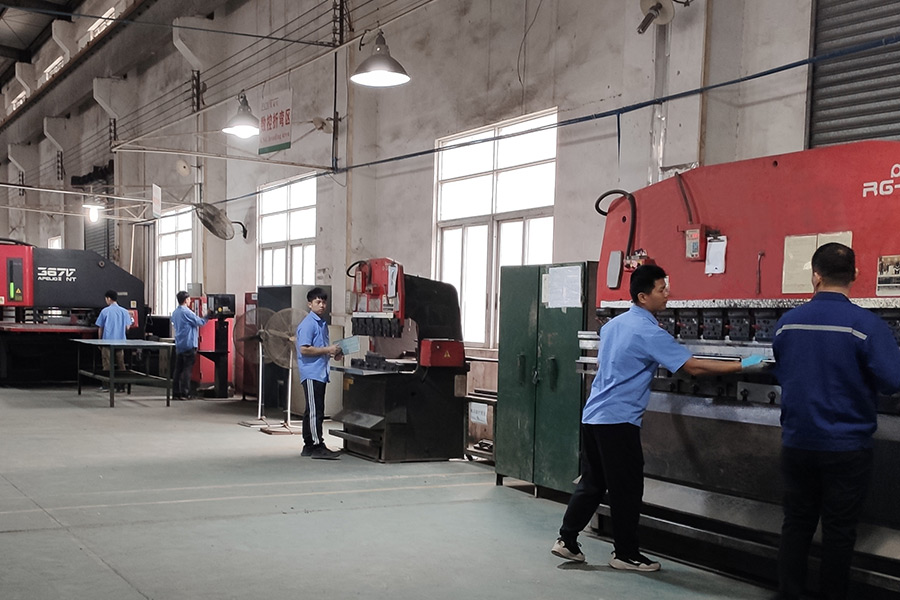
1. Shearing Machine: Mass Shearing with High Precision
The shearing machine is the core equipment for mechanical shearing, suitable for mass shearing of sheets of different thicknesses. It has high shearing precision and speed, can shear straight lines, and is widely used in mass production. Shearing machines are divided into CNC shearing machines and ordinary shearing machines. CNC shearing machines can set the size through programming, with high automation and higher precision.
Notes: The shearing machine is a large-scale equipment, and beginners are prohibited from operating it alone; it should be used under the guidance of professionals; pay attention to safety during operation and avoid approaching the blade with hands.
2. Bending Machine: Precise Bending with Controllable Angle
The bending machine is used for mass and high-precision bending, can bend any angle (0°-180°), and is suitable for the processing of sheet metal parts with complex structures. The mold of the bending machine can be replaced, and the corresponding mold can be selected according to different bending needs. The CNC bending machine can set the bending angle and size through programming, with high automation and reduced human error.
Notes: When operating the bending machine, adjust the mold gap to avoid collision between the mold and the sheet; during the bending process, do not touch the bending part with hands to prevent being pinched.
3. Punch Press: Stamping Forming, Efficient and Fast
The punch press is used to punch holes, grooves, special shapes, etc., on the sheet, suitable for mass production, with high stamping precision and speed. The punch of the punch press can be replaced, and the corresponding punch can be selected according to different stamping needs. The CNC punch press can realize automatic stamping, greatly improving processing efficiency.
Notes: When operating the punch press, ensure that the punch is aligned with the mold to avoid sheet damage or equipment failure caused by misalignment; wear protective gloves during operation to prevent hand injury.
(III) Safety Notes for Tool Use
1. Wear Protective Equipment: When using any tool (especially angle grinders, punch presses, shearing machines, etc.), wear goggles, masks, and protective gloves to avoid dust and metal debris from harming the body.
2. Tool Inspection: Before use, check the integrity of the tool, such as whether the blade of the sheet metal shears is sharp, whether the line of the angle grinder is intact, and whether the mechanical tools are running normally, to avoid using damaged tools.
3. Standard Operation: Strictly operate according to the use method of the tool, do not use it irregularly (such as using sheet metal shears to shear thick sheets, using bending pliers to bend hard materials), to avoid tool damage or processing errors.
4. Environment Arrangement: The processing environment should be clean and tidy, and the sheets and tools should be placed neatly to avoid accumulation of debris and prevent collisions during operation.
Sheet metal processing may seem complex, but in fact, as long as you master the two cores of "material selection" and "tool use", you can quickly get started. When starting out, beginners do not need to pursue perfection; more practice and more summary can gradually improve processing ability. It is hoped that this guide can help you take the first step in sheet metal processing, grow continuously in practice, and make qualified and exquisite sheet metal products.