1. Electroplating Process: The "Exquisite Coat" with Metallic Texture
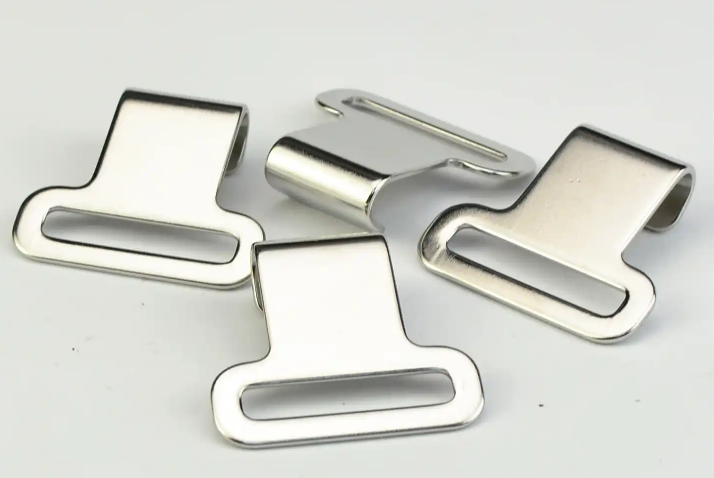
Electroplating is a process that deposits a layer of metal or alloy on the surface of sheet metal parts through electrolysis. Common types include zinc plating, chrome plating, and nickel plating. From an appearance perspective, electroplated parts exhibit a typical metallic luster with high glossiness, and different coatings present distinct characteristics: Zinc-plated parts are mostly silver-gray with a fine and uniform surface; some, after passivation treatment, may have a faint color (such as blue-white passivation or colored passivation). Chrome-plated parts feature a bright silver-white color with extremely strong reflectivity, similar to a mirror, and are commonly used in products with high appearance requirements, such as faucets and automobile decorative parts. Nickel-plated parts have a slightly yellowish silver-white color, soft luster, and a warm texture, making them suitable for electronic components and precision instrument accessories.
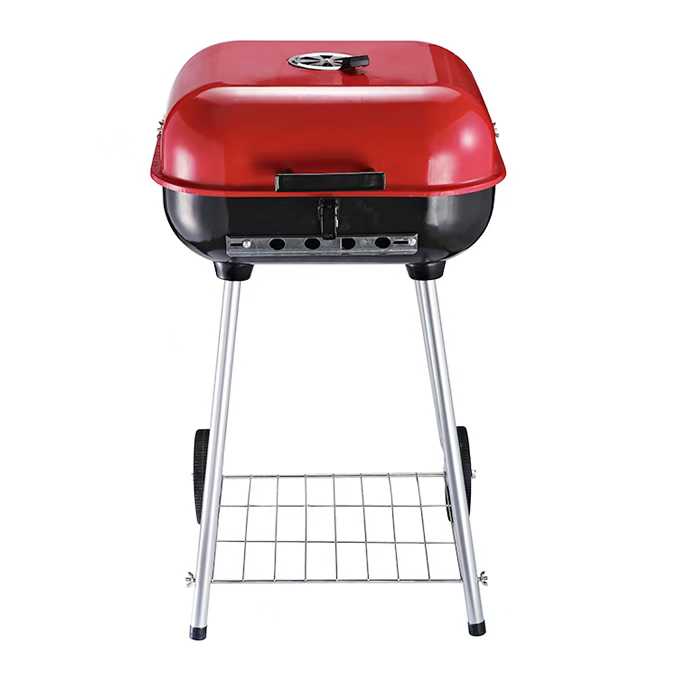
In terms of touch, electroplated layers have high hardness. When gently scratched with a fingernail, no obvious scratches will be left, and the surface is smooth without granularity. During identification, the edge areas can also be observed: high-quality electroplated parts have an even coating coverage, with no exposure of the base material, blistering, or peeling. In terms of application scenarios, due to its excellent corrosion resistance and decorative properties, the electroplating process is widely used in sheet metal parts that need to be exposed to the air for a long time or have certain rust-proof requirements, such as outdoor distribution box enclosures and automobile parts.
2. Spraying Process: The "Protective Barrier" with Rich Colors
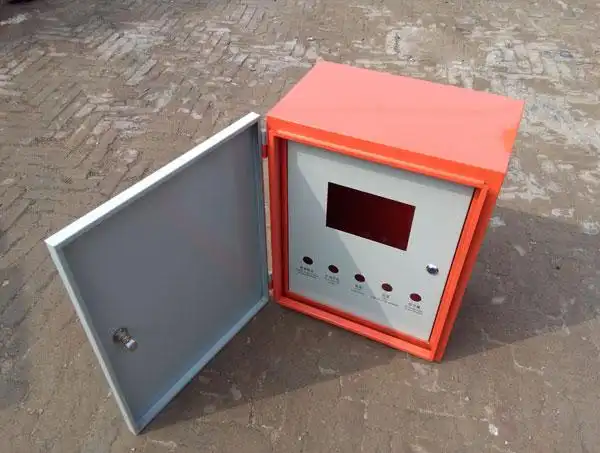
The spraying process mainly includes powder spraying and liquid spraying (paint spraying). It forms a coating by uniformly adhering paint to the surface of sheet metal parts. For appearance identification, powder-sprayed parts have full and uniform colors with a wide range of color options, from common black, white, and gray to bright red, yellow, and blue. The surface is mostly matte or semi-matte, and some can be customized with a high-gloss effect. The coating thickness is relatively thick, giving a visually heavier feel. Liquid-sprayed parts can have adjustable glossiness, ranging from matte to high-gloss. They have high color delicacy and can present special effects such as metallic colors and pearlescent colors, but the coating thickness is relatively thinner than that of powder spraying.
In terms of touch, powder-sprayed parts have a slightly rough surface with a frosted-like texture, high hardness, and strong scratch resistance. Liquid-sprayed parts have a smooth and delicate surface with a smooth hand feel, but some low-quality liquid-sprayed parts have low hardness and are prone to scratches. During identification, you can tap the sheet metal part: products processed by the spraying process will have a slightly duller sound than those without treatment or processed by other thin-coating processes. Its application scenarios are very wide; most of the outer casings of home appliances (such as refrigerators and washing machines), furniture, and sheet metal parts for architectural decoration adopt the spraying process.
3. Brushing Process: The "Linear Aesthetics" with Minimalist Texture
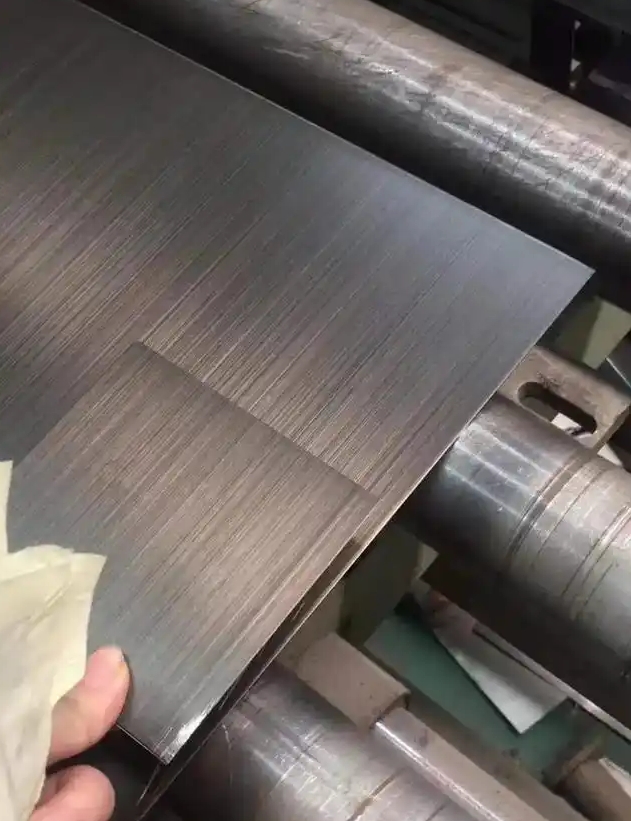
The brushing process creates parallel and uniform linear textures on the surface of sheet metal parts through mechanical friction. It is commonly used for sheet metal parts made of metal materials such as stainless steel and aluminum alloy. In terms of appearance, brushed parts have obvious directional lines. The lines can be thick or thin and are divided into different types such as straight wires, random wires, and wavy wires. The color is mostly the inherent color of the metal, such as the silver-white of stainless steel and the light gray of aluminum alloy. The overall style is minimalist, modern, and highly textured.
In terms of touch, the surface of brushed parts has a clear linear touch. When touching along the direction of the lines, the hand feel is relatively smooth; when touching against the direction of the lines, there will be a slight friction feeling. The surface has no obvious unevenness and high flatness. During identification, observing the linear texture through vision is the most direct method. At the same time, sheet metal parts processed by the brushing process usually have good wear resistance and are not easy to leave fingerprints. It is often used in digital product casings (such as laptop and mobile phone middle frames), home appliance panels, and decorative metal parts, which can enhance the high-end feel of the product.
4. Anodizing Process: The "Exclusive Protection" for Aluminum Sheet Metal
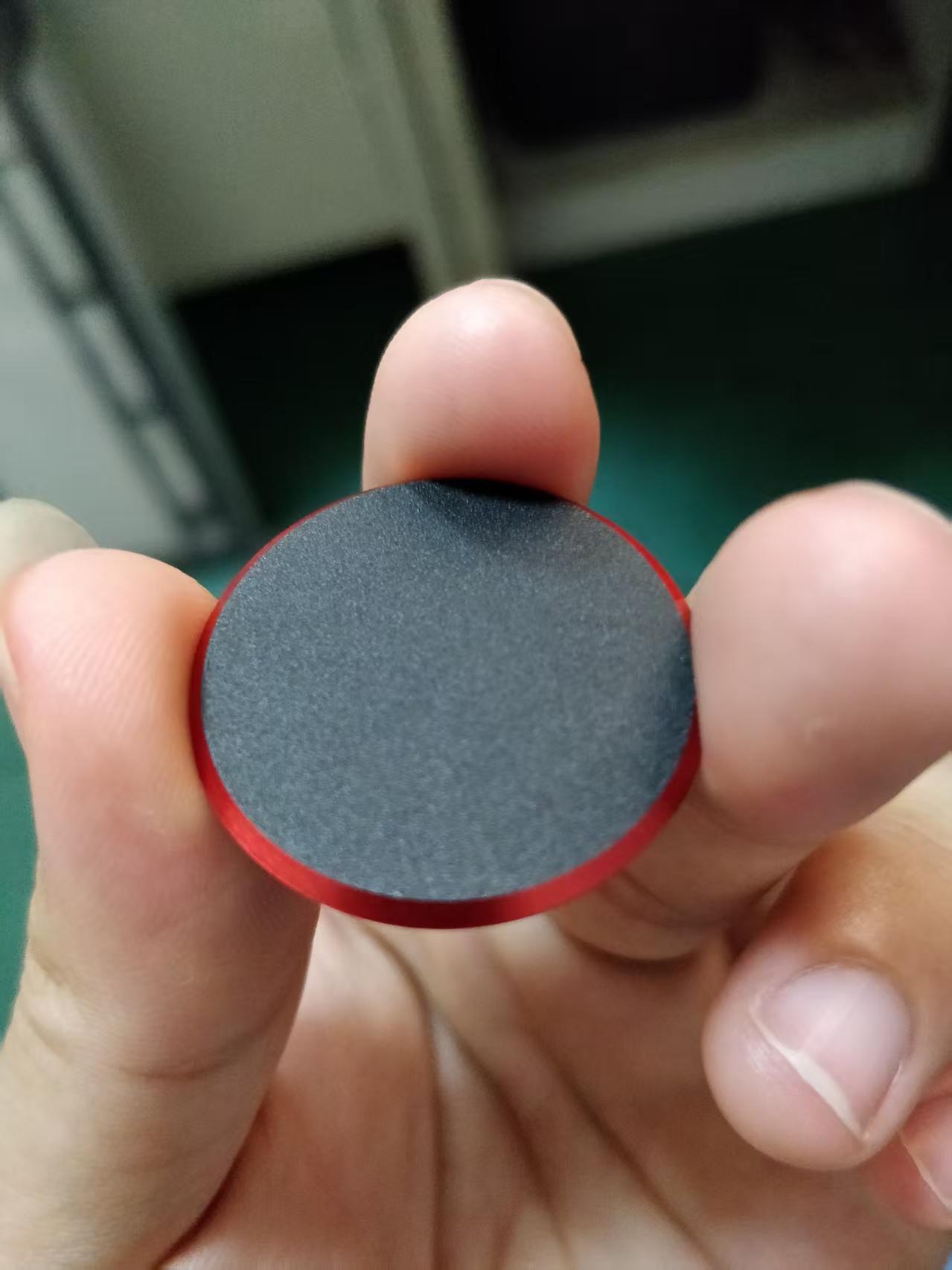
Anodizing is mainly applied to aluminum alloy sheet metal parts. It is a process that forms an oxide film on the aluminum surface through electrolysis. From an appearance perspective, anodized parts have rich colors. In addition to the common silver-white, they can also achieve various colors such as black, red, and blue. The colors are uniform and stable, not easy to fade. The surface is mostly matte or semi-matte, and some can be treated with a high-gloss effect. The oxide film is transparent, which can faintly show the inherent texture of the metal.
In terms of touch, anodized parts have a smooth and delicate surface with a warm hand feel and high hardness. They have stronger wear resistance and corrosion resistance than ordinary aluminum alloys, and no obvious marks will be left after being scratched with a fingernail. During identification, the edges and corners of the sheet metal parts can be observed: the anodized film has uniform coverage, with no obvious color difference or exposure of the base material. At the same time, anodized parts have good insulation properties, which can be simply tested with a multimeter (ordinary metals conduct electricity, while anodized films do not). It is widely used in aerospace, electronics, automobile, and construction fields, such as aluminum alloy door and window profiles, mobile phone casings, and medical equipment accessories.
5. Comprehensive Identification Methods and Precautions
In the actual identification of surface treatment processes for sheet metal parts, a single identification method may have errors. It is necessary to comprehensively judge by combining multiple methods such as appearance observation, touch feeling, and performance testing. First, observe the appearance characteristics, including color, glossiness, and texture, to initially determine the possible process type. Then, feel the smoothness, hardness, and texture of the surface through touch to further narrow down the scope. For cases where conditions permit, simple performance tests can also be conducted, such as wiping with alcohol to determine whether the coating is easy to peel off (high-quality sprayed or electroplated parts are not easy to peel off), and using a magnet to adsorb to determine whether it is a metal coating (for example, iron parts with zinc plating can be adsorbed by a magnet, while chrome-plated or nickel-plated parts with non-ferrous metal substrates cannot be adsorbed).
At the same time, it should be noted that different processes may be used in combination. For example, some sheet metal parts may first undergo electroplating treatment, followed by brushing or spraying to achieve better performance and appearance effects. In addition, process quality will also affect the identification results: high-quality surface treatment processes are uniform and stable with no obvious defects, while inferior processes may have problems such as color difference, blistering, and peeling, which need to be distinguished during identification.
Through the above introduction to the identification methods of common surface treatment processes for sheet metal parts, it is believed that you have a clearer understanding of the "coats" of sheet metal parts. In the future, when you come into contact with sheet metal products, you may wish to try to use these methods for identification, which can not only improve your understanding of products but also better select and use various sheet metal products.